
More than just a collection of buildings, CMZC is home to our residents, to a living lineage, and to countless Dharma treasures. Together we can ensure it endures for generations to come.
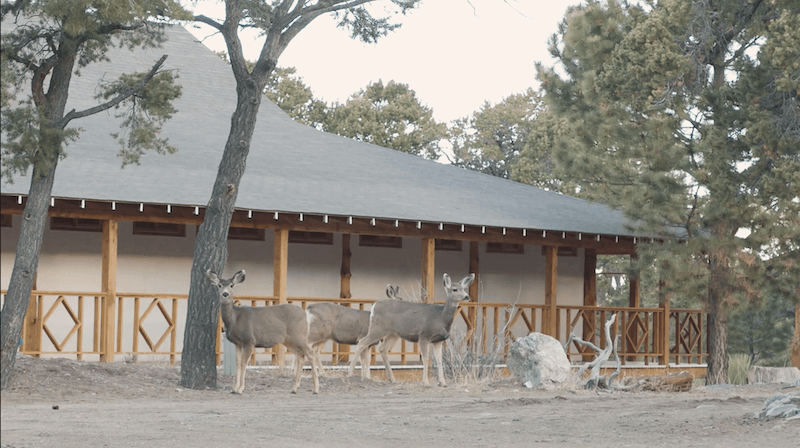
With the generous support of the sangha and almost entirely without a public campaign, we've already raised and spent $170,000 to complete the first two phases of the project. These critical first steps include engineering, site preparation, and installation of a large water reserve.
Fire assessment, engineering, sprinklers on the Dome, clearing vegetation, and fire and evacuation training for residents and staff.
Installation of a 47,000-gallon gravity-fed fire reserve above the campus, including the foundation, water connections and electrical infrastructure. Completed September 2026.
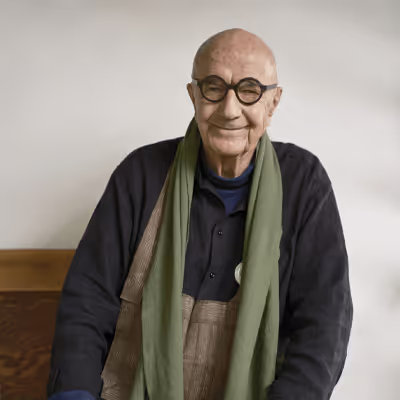
With record high temperatures reached year after year, CMZC has never faced such an imminent wildfire threat. This summer, the Hooper fire came close enough that we packed and prepared to evacuate before the wind turned, and at one point a separate fire even started along our own stream. These events are especially concerning because the forest around Crestone has gone more than 130 years since a major burn, compared to a historical interval of roughly ten years. As a result, insurers have now withdrawn coverage for every retreat center in Crestone.
Elsewhere, three firefighters were killed in Colorado while fighting a fast-moving wildfire. There was a hundred-acre fire near Alamosa. And we took in practitioners evacuated from Tassajara in California, whose own monastery was no longer safe.
"It's not if the fire comes, it's when. We are 130 years into a gap that once reset every decade."
— Ben Brack, former local fire chief
One gravel road leads up to the Center. Because fire runs uphill, it comes from below, from the direction of our only access road. This means the buildings themselves have to be defensible.
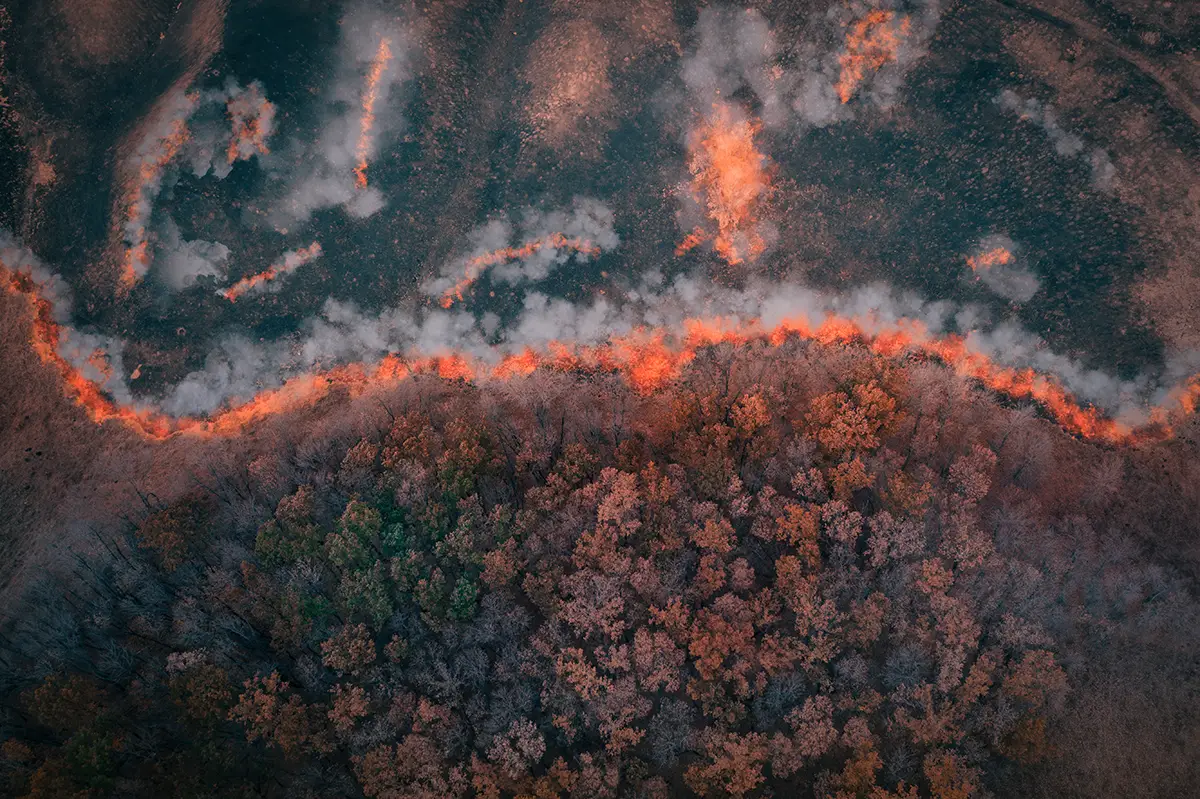
Nine out of ten buildings lost to wildfire are not burned by the fire front. They're ignited by windborne embers, which can travel seven miles or more ahead of it. The defense is to soak the buildings before the embers arrive: water and firefighting foam make the structures too wet to burn. Every option below puts sprinklers on all thirteen of CMZC's buildings. What differs is additional firefighting foam and automation to ensure the response comes in time.
Every building gets water sprinklers. The system must be turned on manually.
An automated system, connected to satellite data, watches for fire and activates before danger arrives. Firefighting foam provides significant additional protection.
The same protection everywhere, to the same high standard.
The manufacturer reports that in the 2025 Los Angeles fires, 59 of 61 protected properties with activated systems survived.
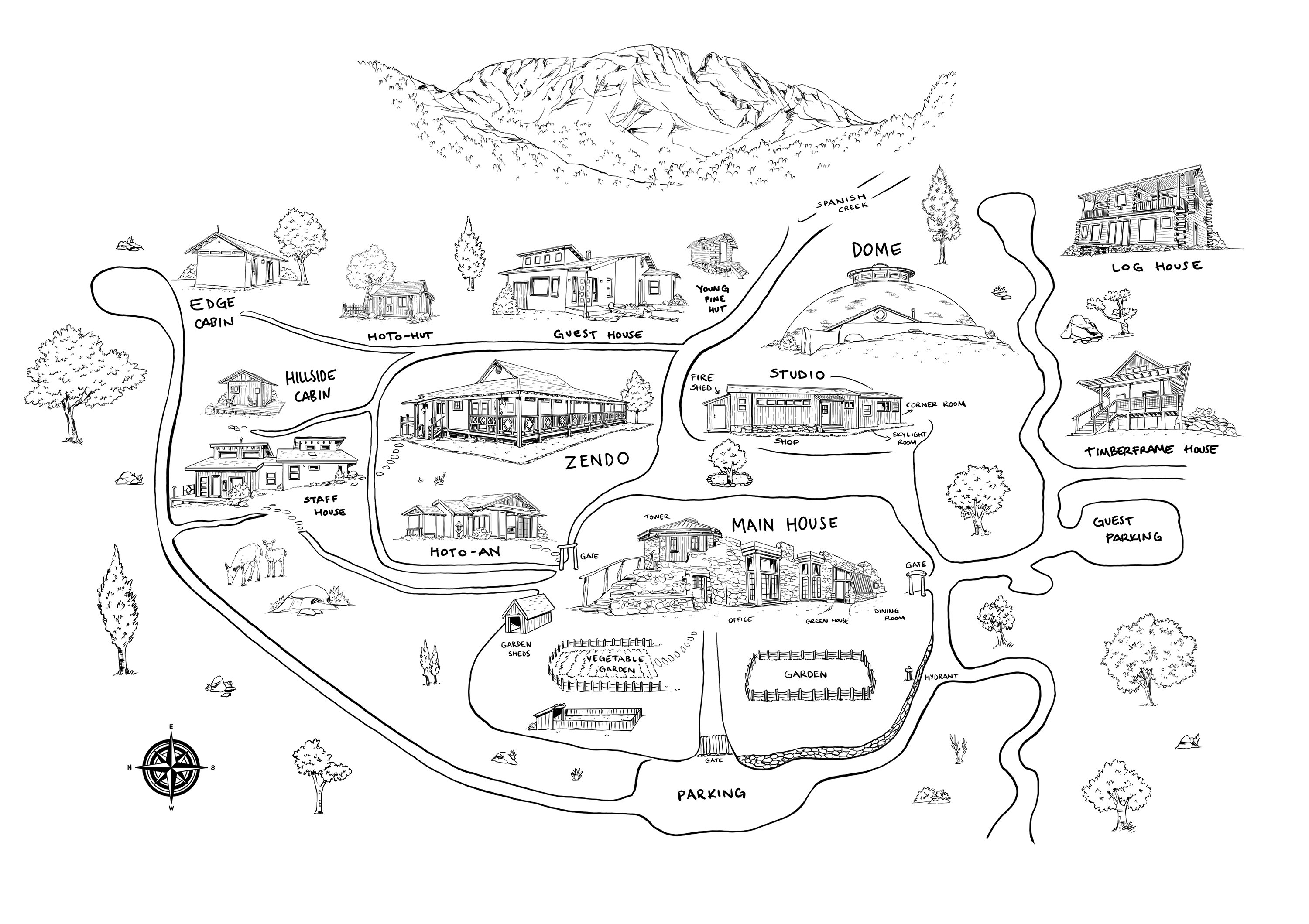
Move across the map to see what stands in each building: the Kannon in the Main House, the scrolls, the Zendo joined without nails. The map answers what; the bar below answers how far. A gift can be dedicated to a building by name. It counts toward the same fund, and the bar moves with it.
How to use this map: Click on a building to make a donation toward that building or toward a specific object inside it. The values for the buildings roughly reflect the actual cost of protecting each one (on Path B). The values for the objects, however, are our own emotional valuations — based how painful it would be to lose them, and partly reflecting how easily (or not) an object could be replaced. We hope you enjoy this tour through the campus!
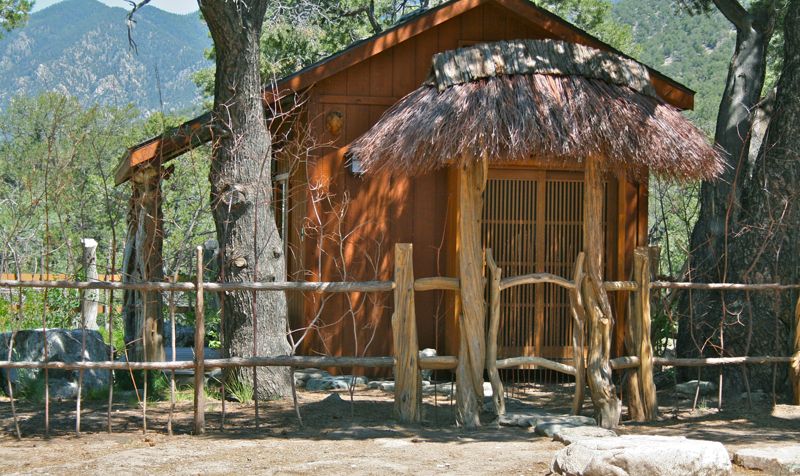
Originally built as a teahouse, this thatch-roofed structure sits in the middle of a beautifully sculpted garden - a perfect place to sit quietly, have lunch, and listen to the trickle of the fountain.
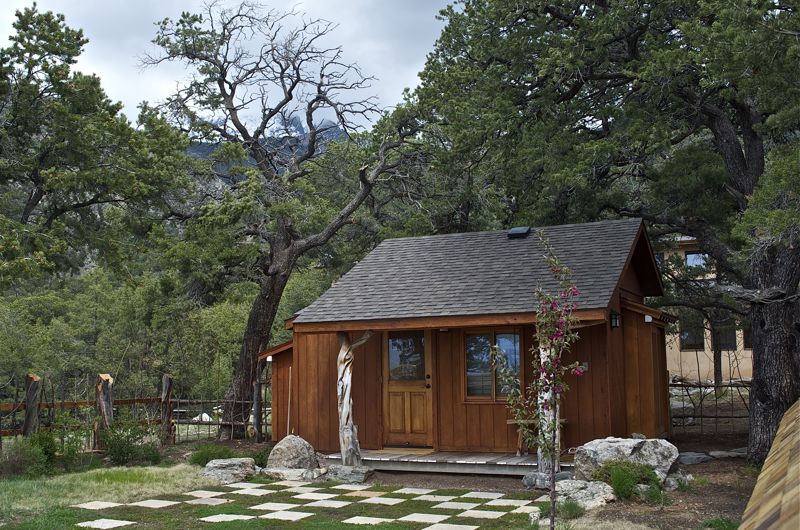
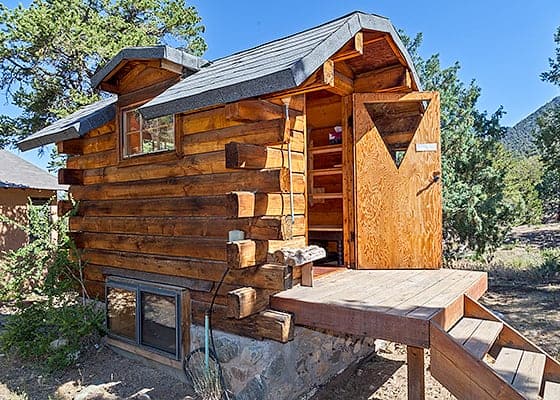
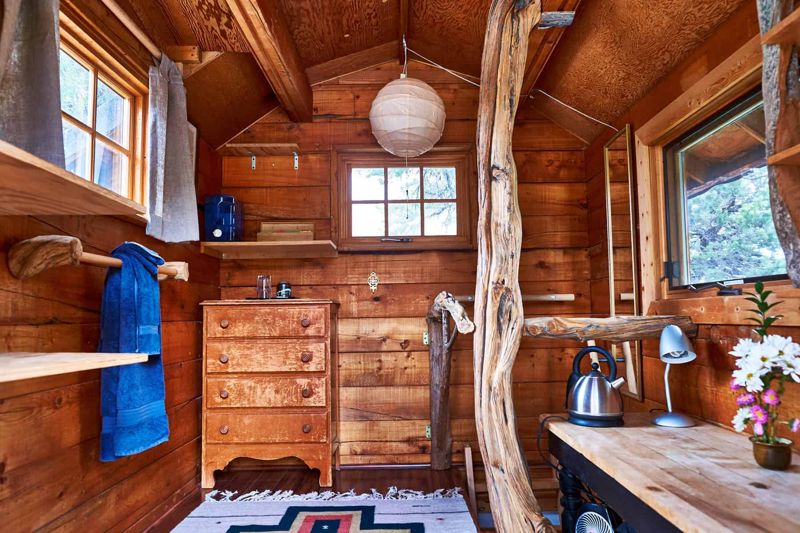
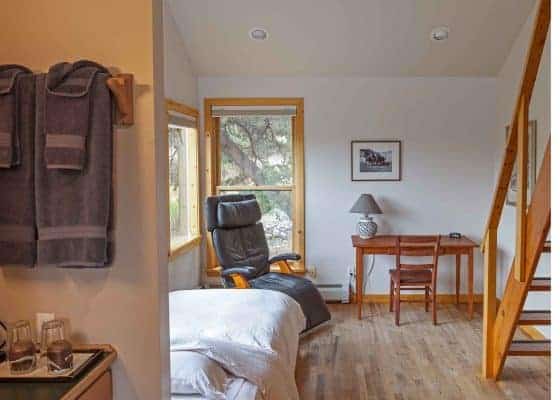
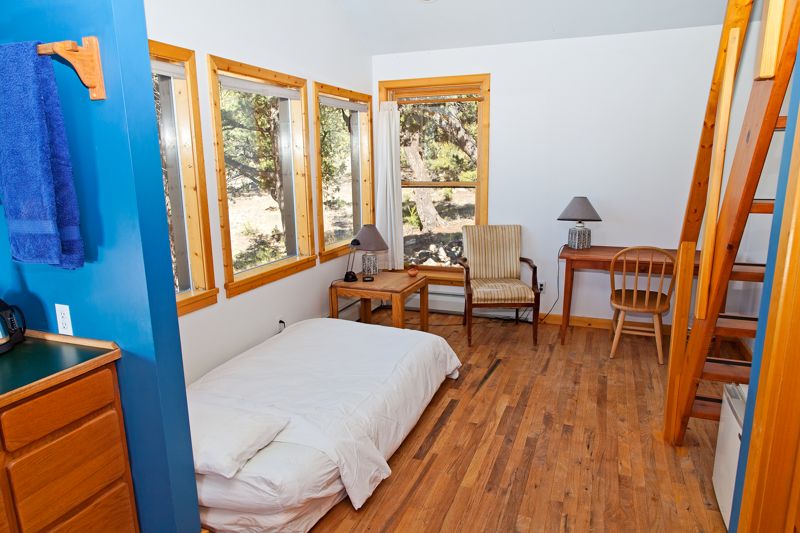
These cozy rooms are in a dormitory style building, equipped with a bed, desk, tea kettle and tea selection, and are fully carpeted.
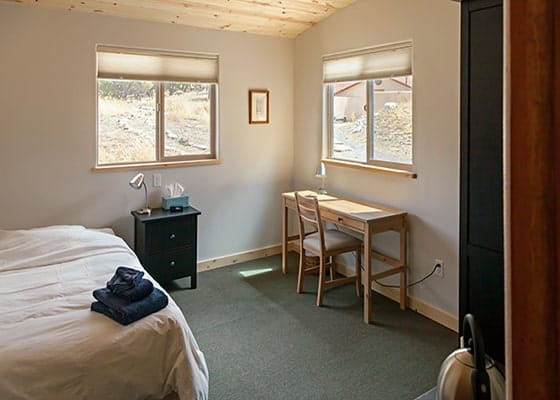
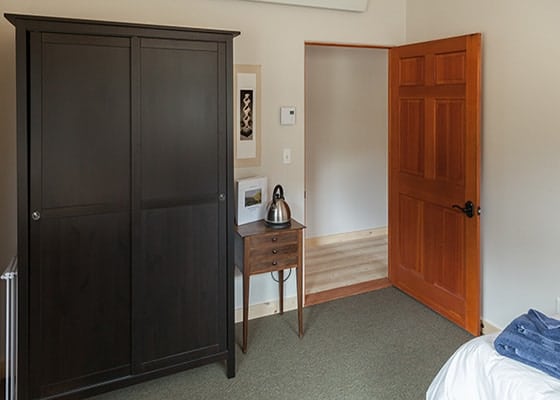
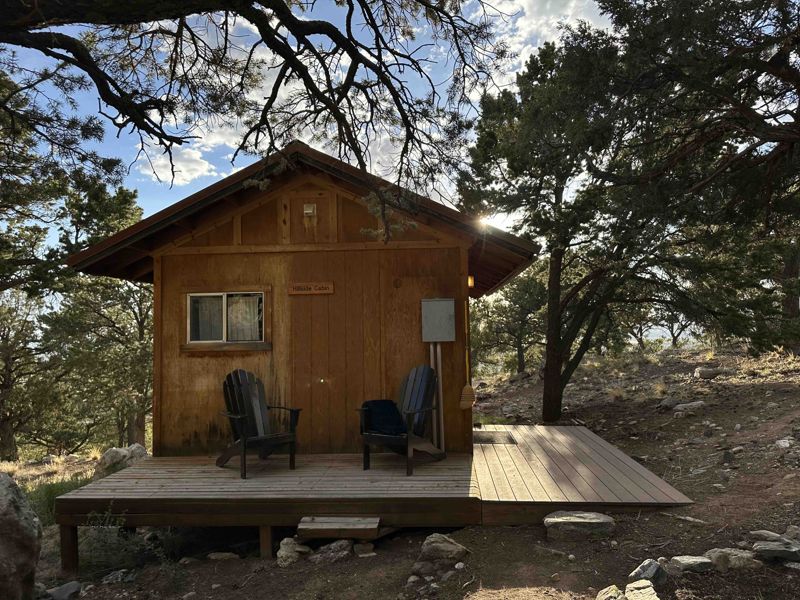
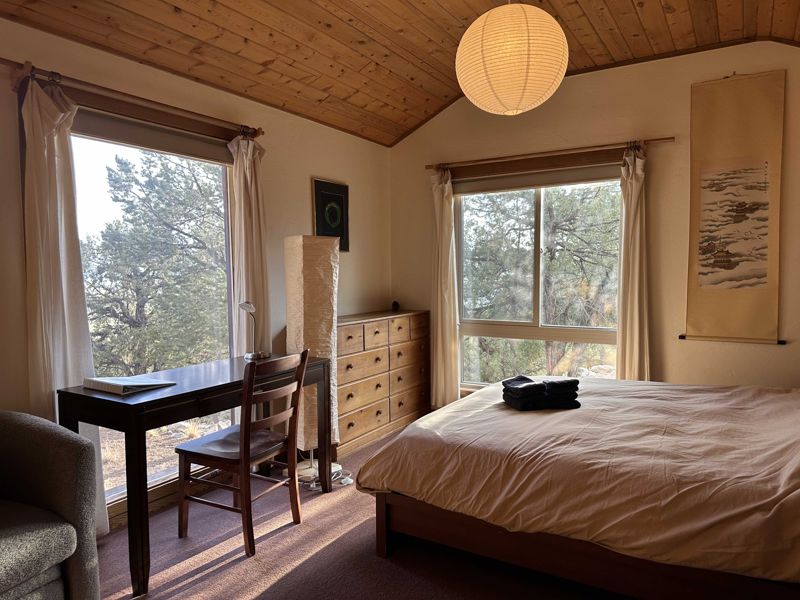
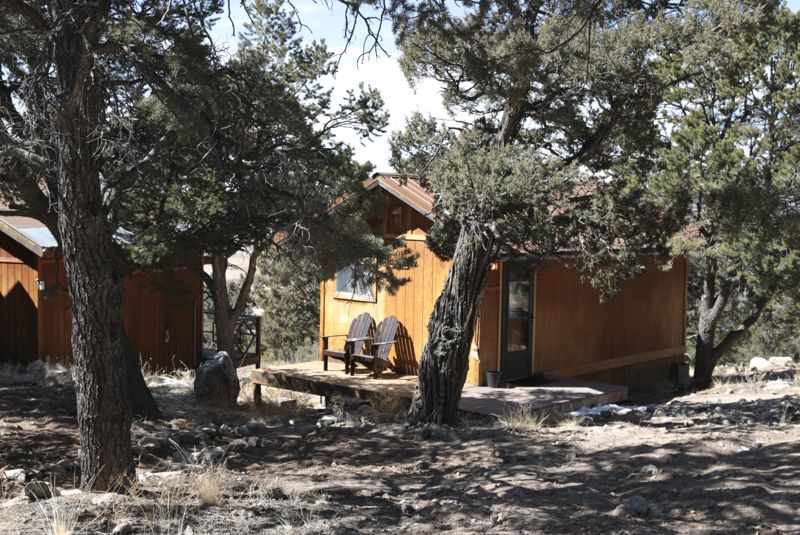
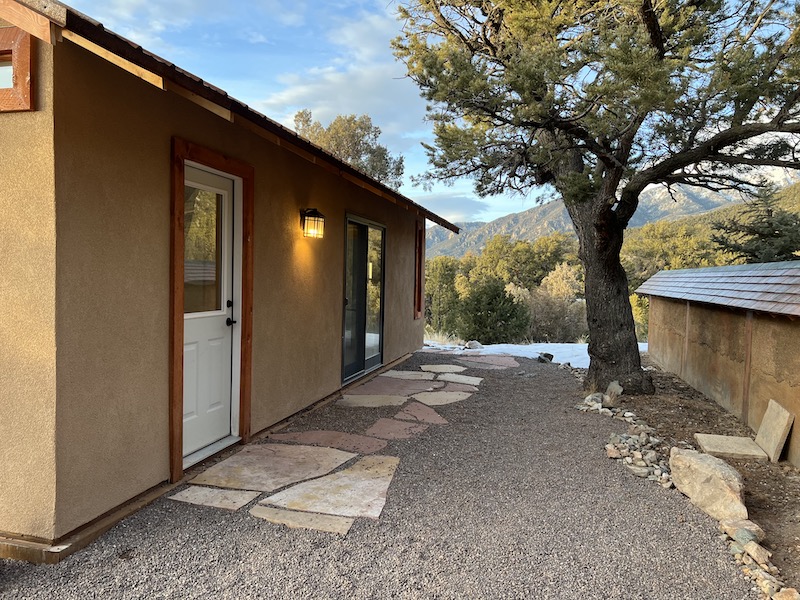
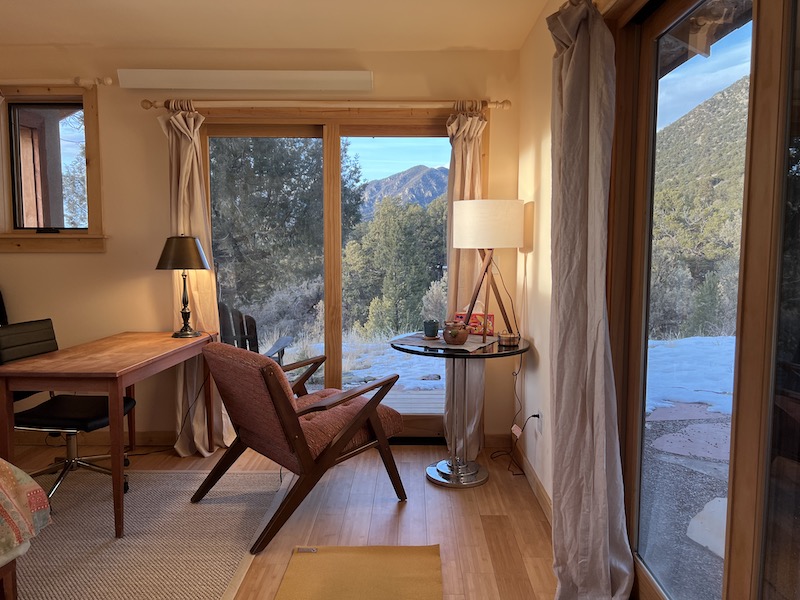
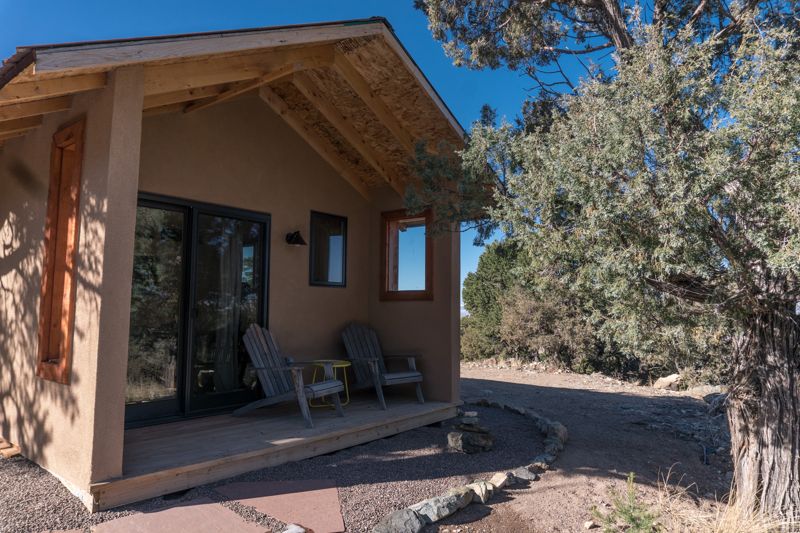
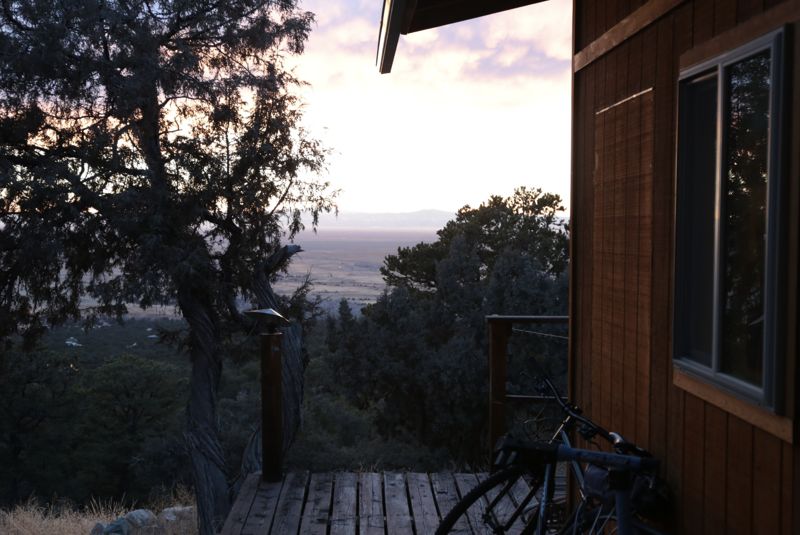
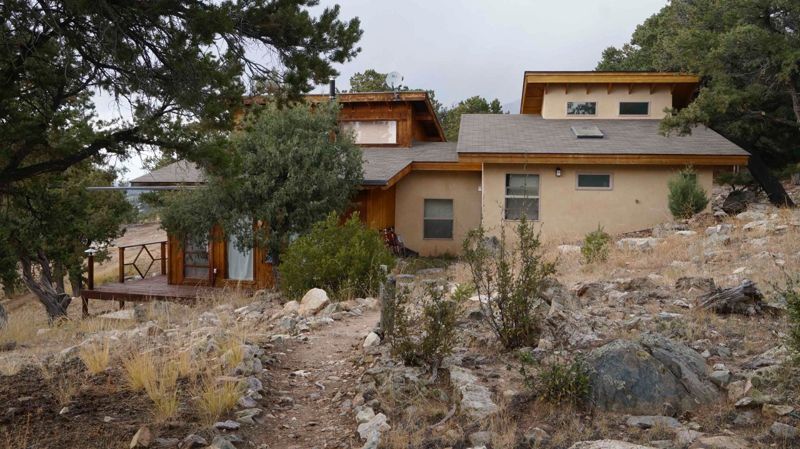
This house is Baker Roshi's abode. The house sits above the center of the monastery, surrounded by trees, and overlooking the vast San Luis Valley.
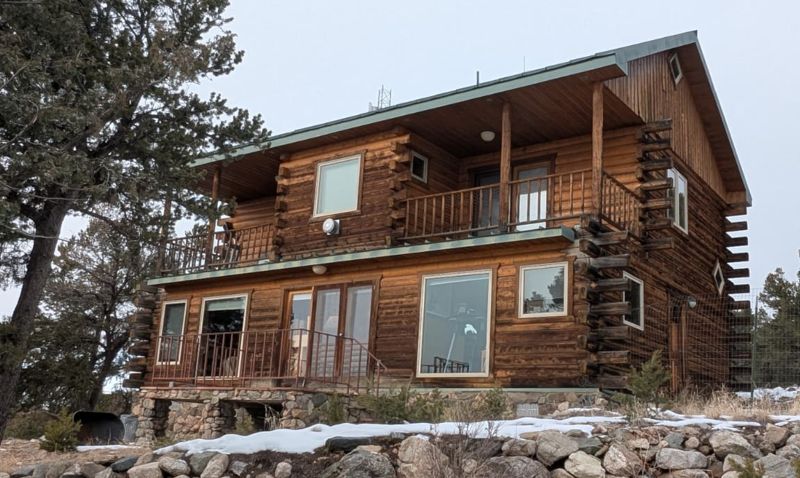
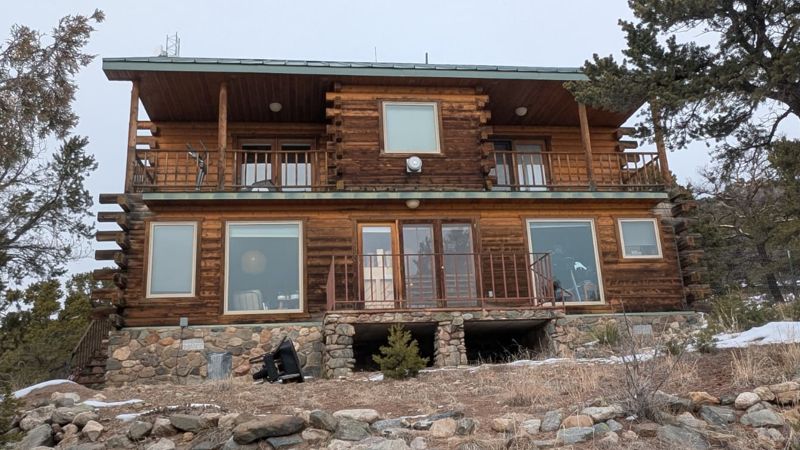
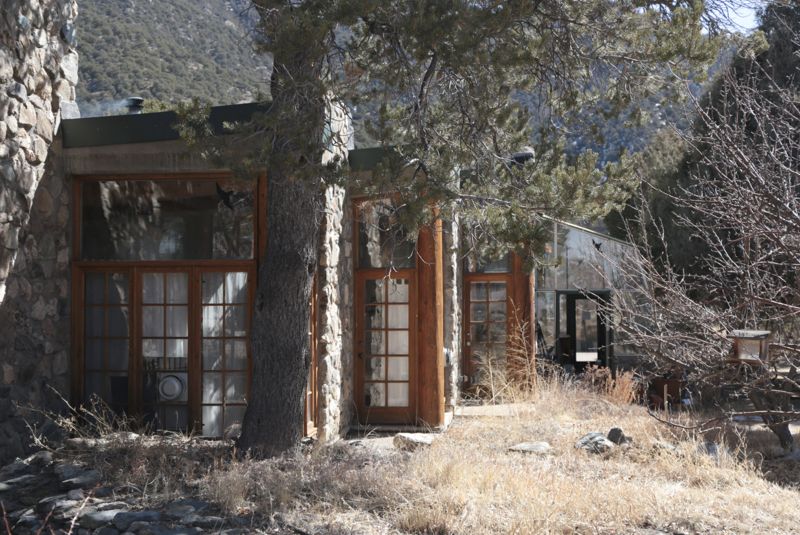
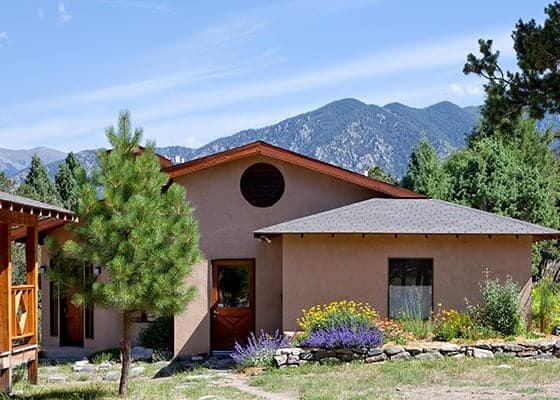
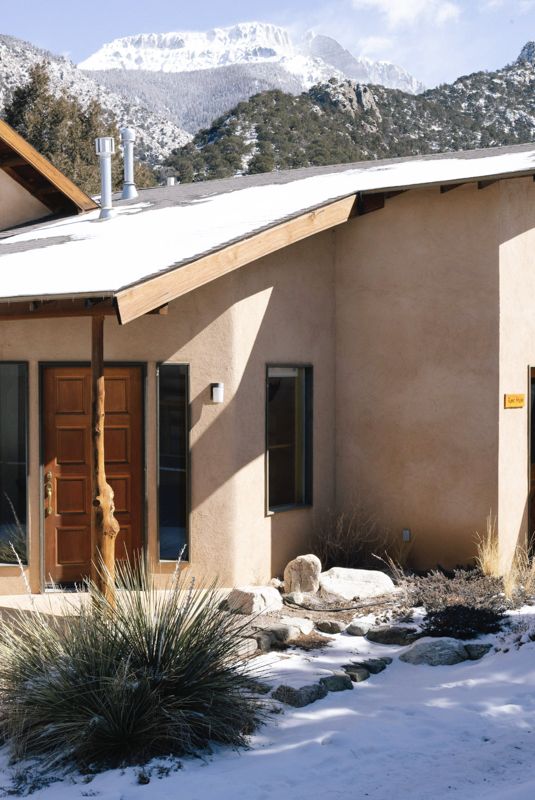
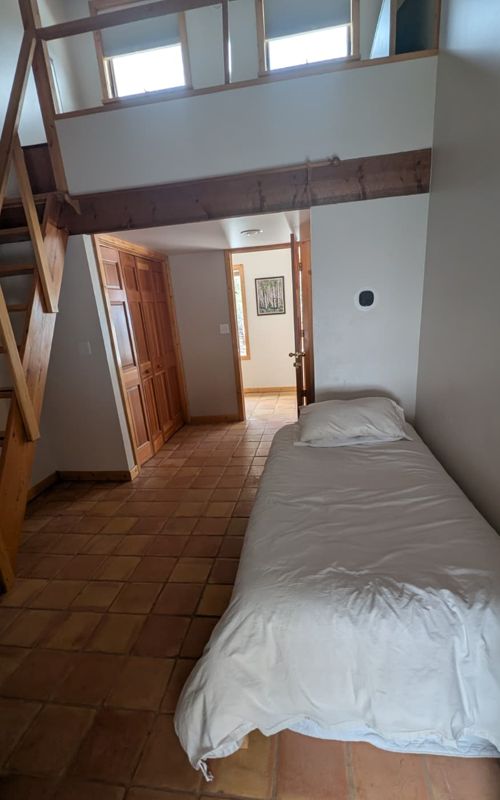
This adobe colored building has 5 spacious rooms, with sleeping space on the ground floor and in a loft. Each room includes dressers, a large closet, and a desk.
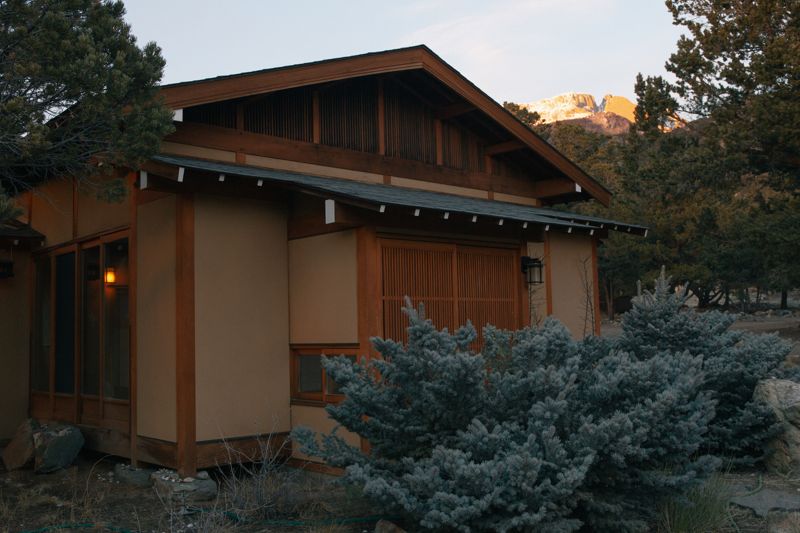
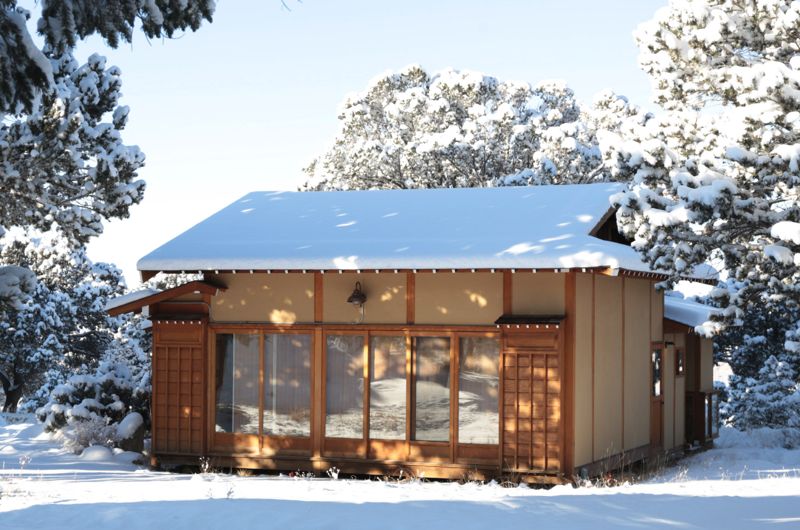
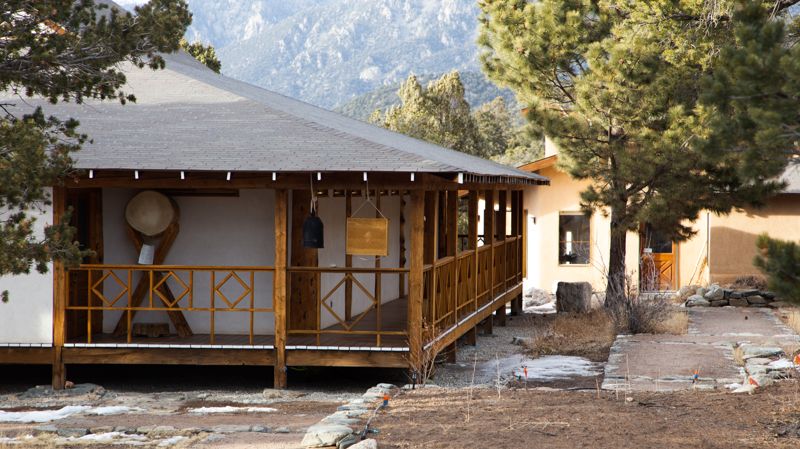
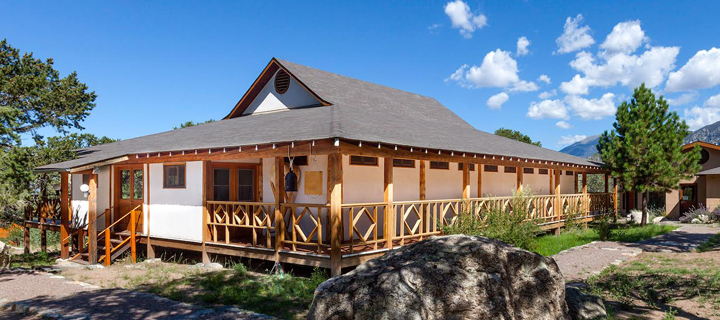
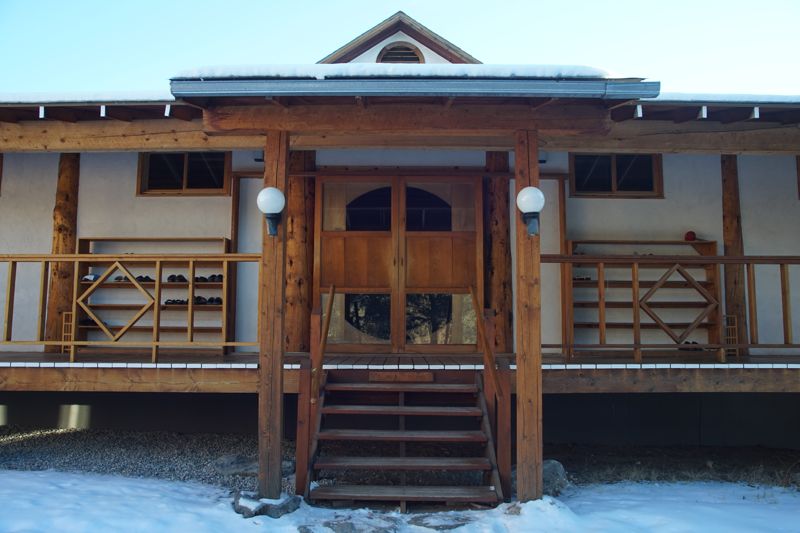
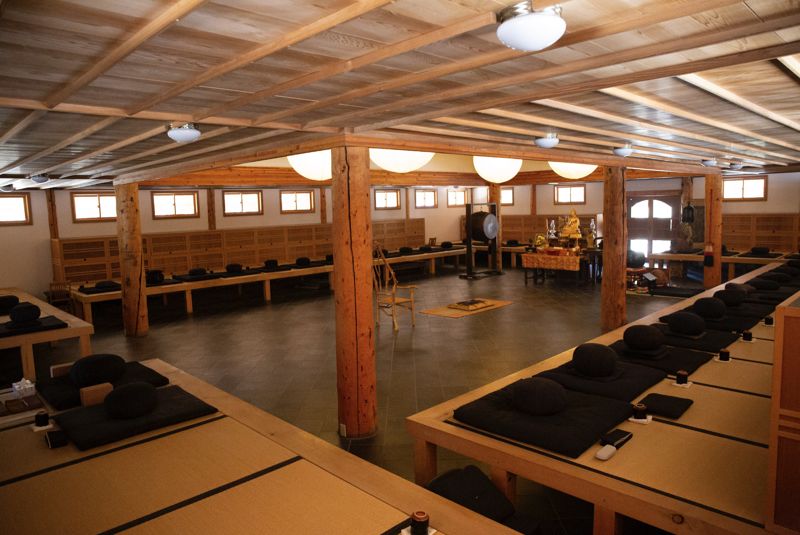
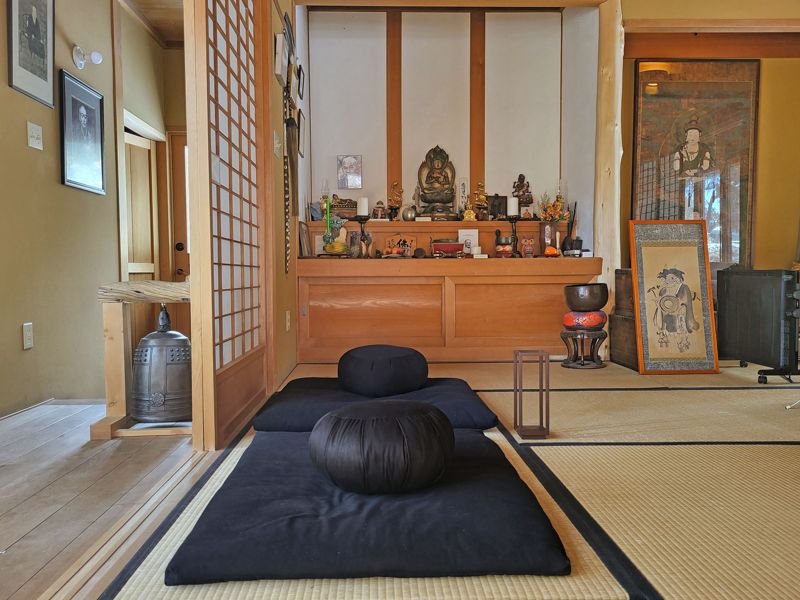
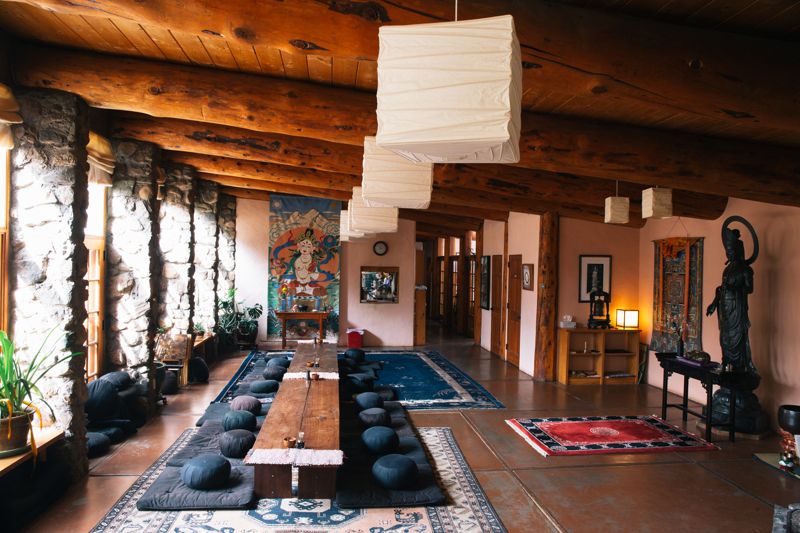
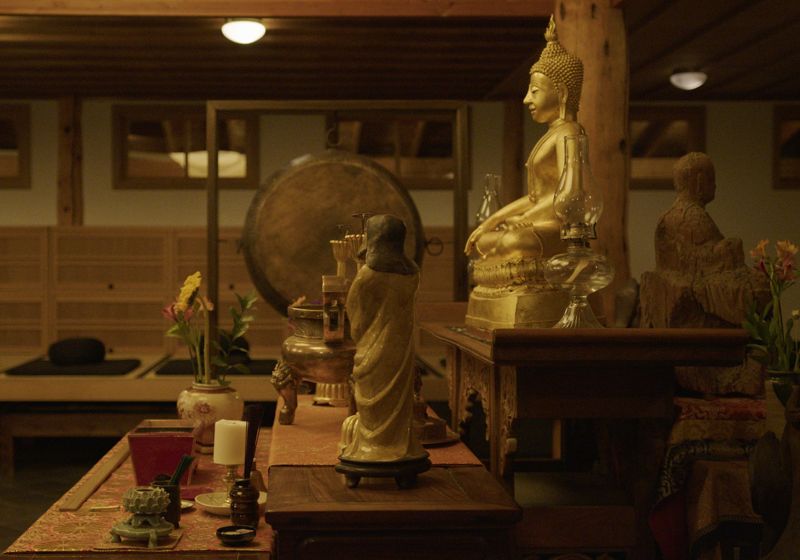
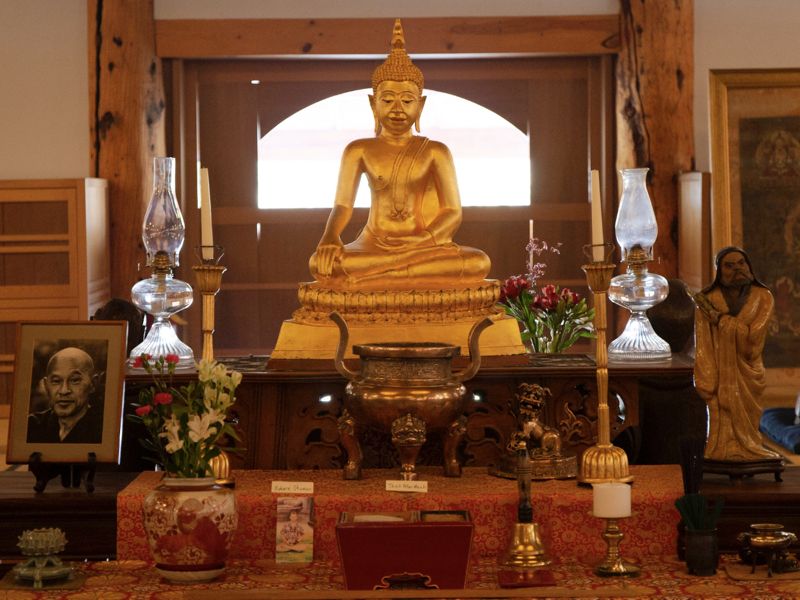
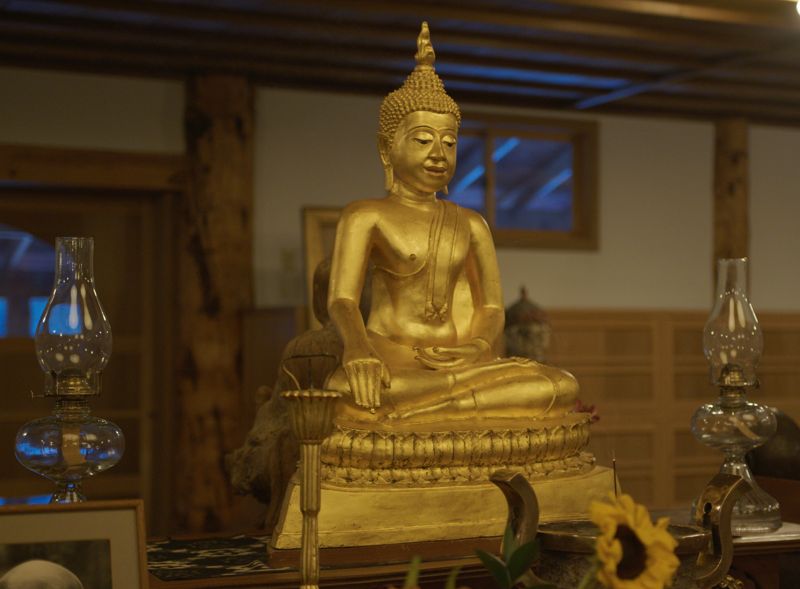
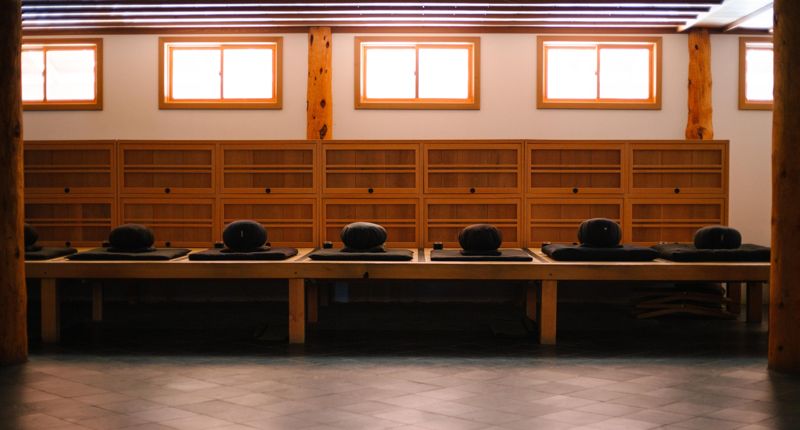
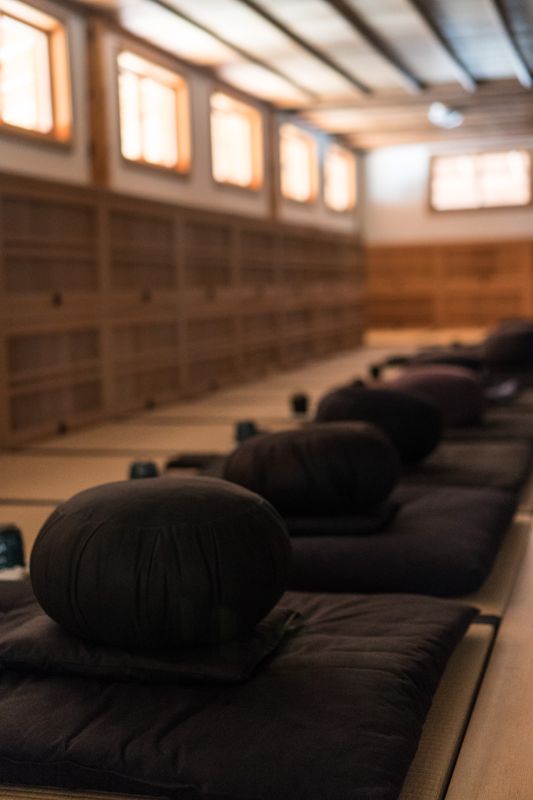
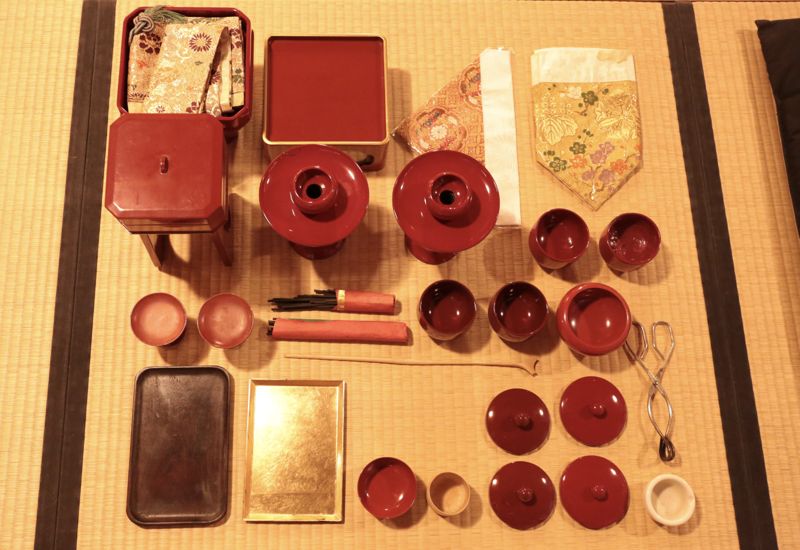
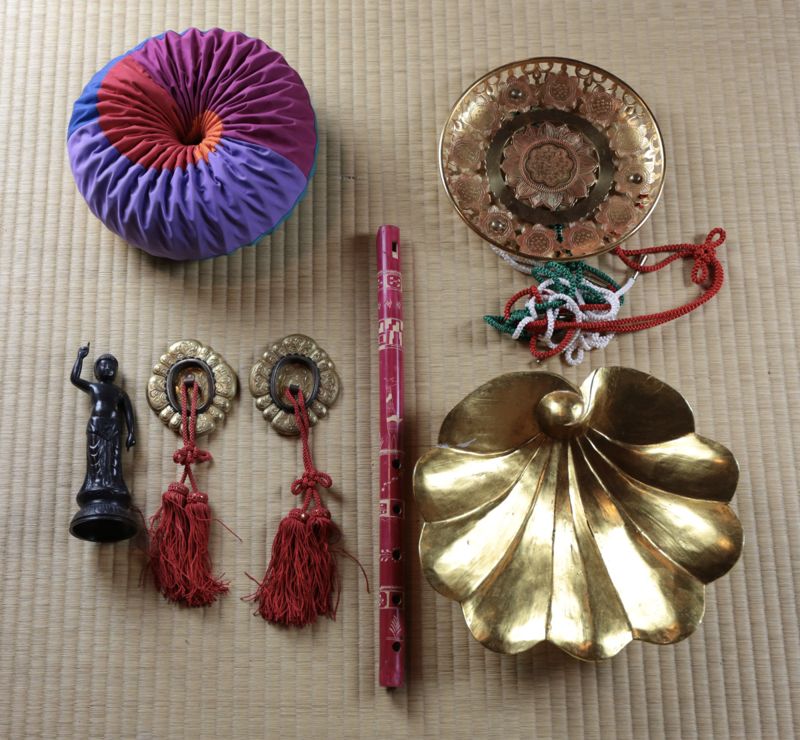
Our meditation hall, the central location of our practice, built with traditional wood joinery; many priceless statues, practice instruments and other works of art live here.
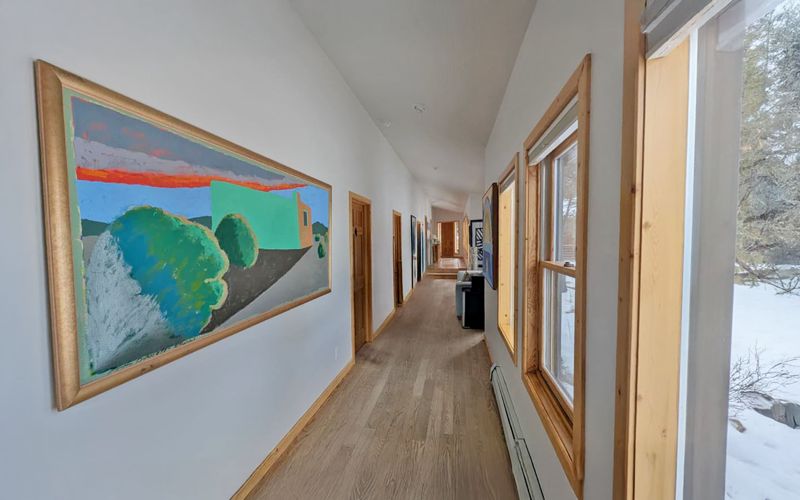
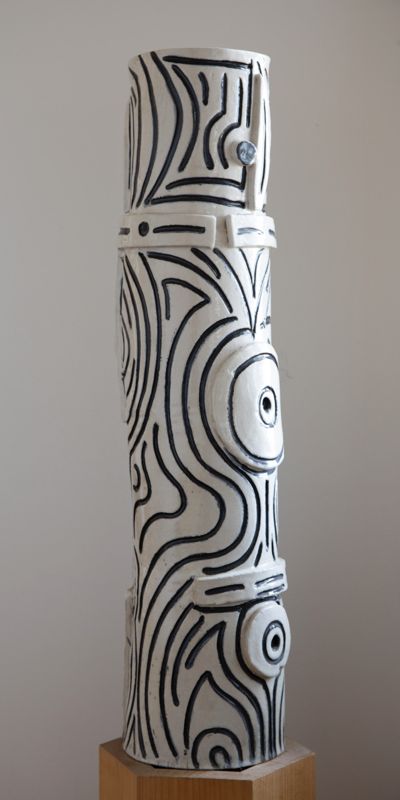
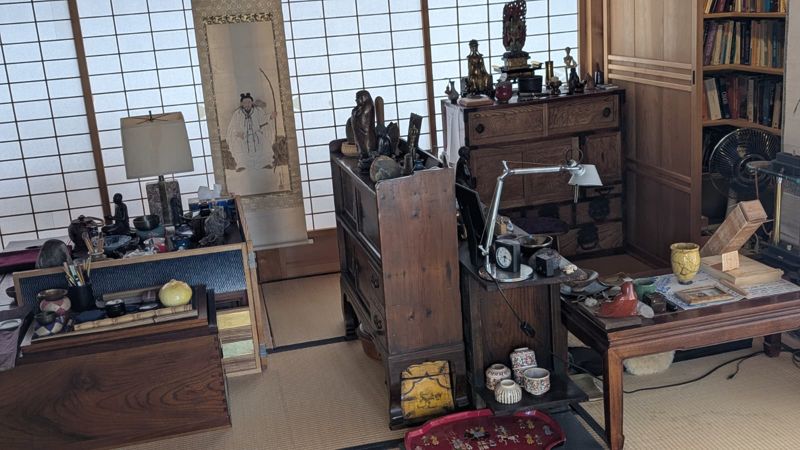
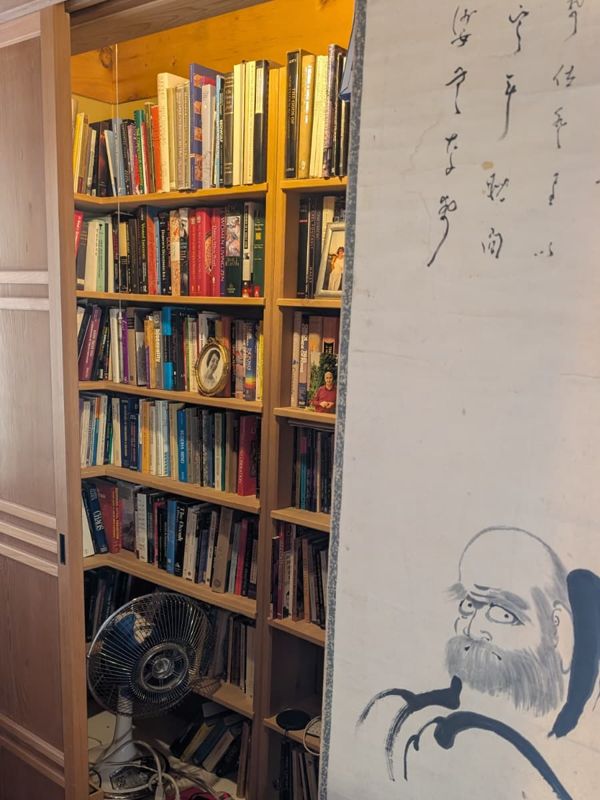
Hundreds of books, read, worked through, with notes in them. This is meant to be a resource for the future. There are four sections to his library - Please help us preserve one of them!
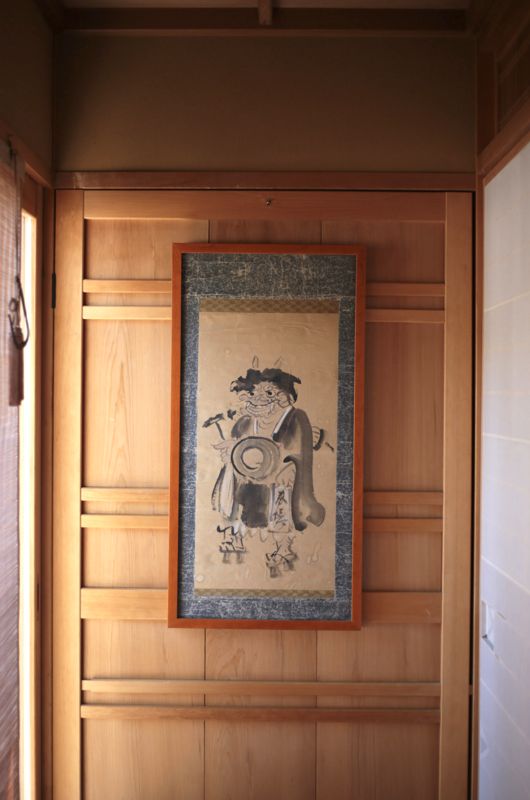
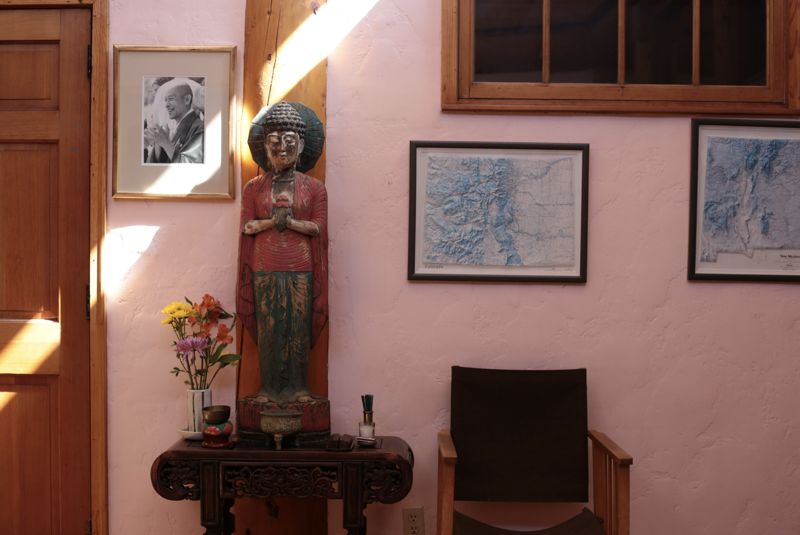
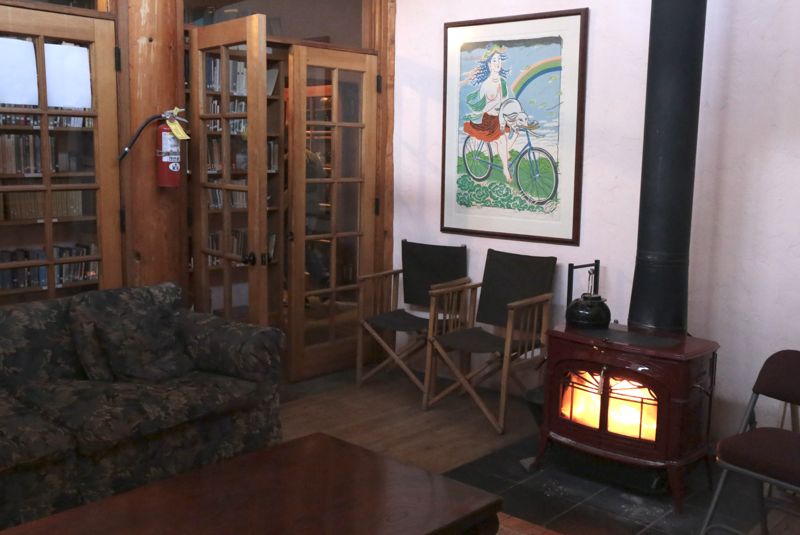
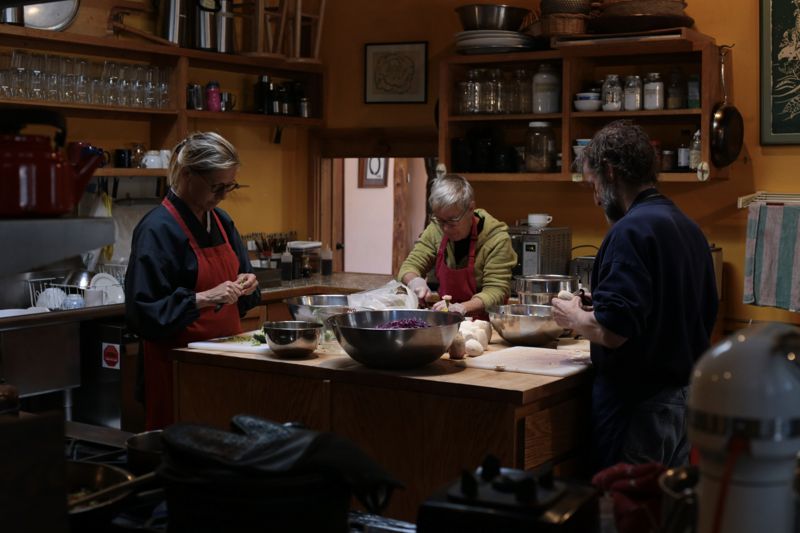
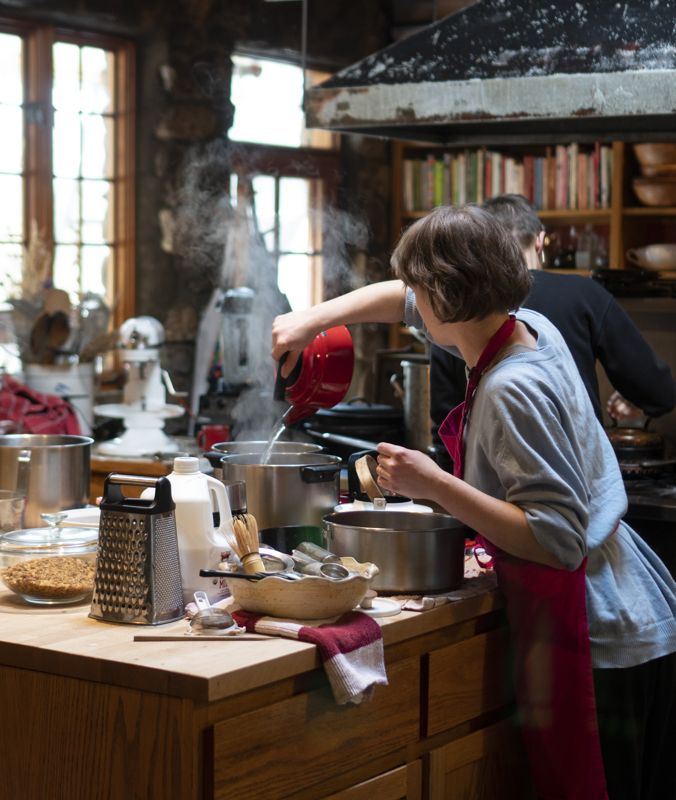
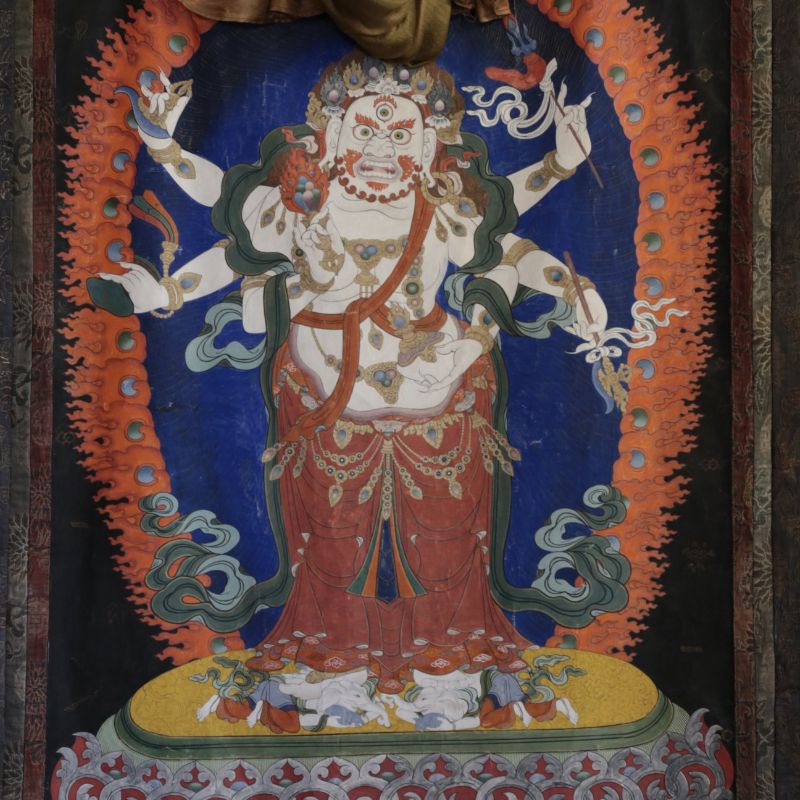
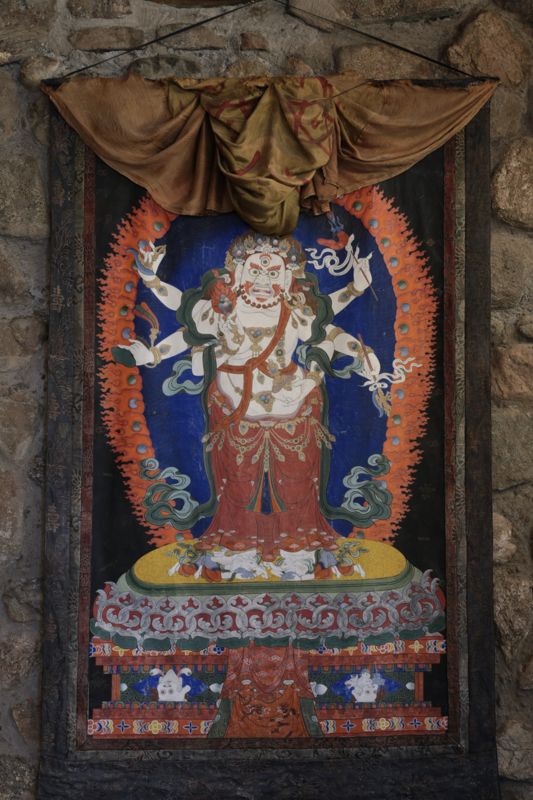
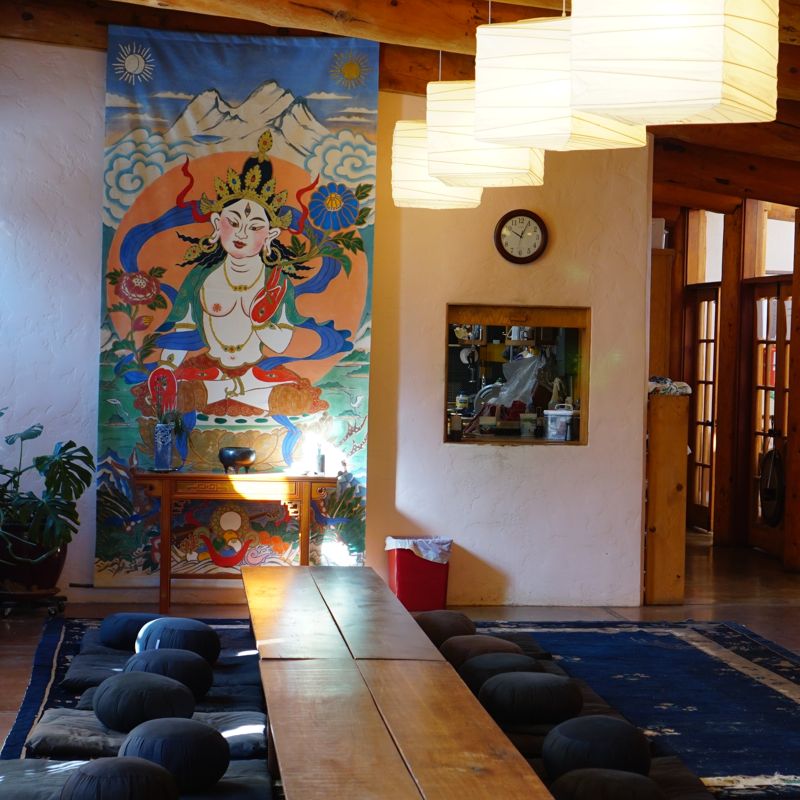
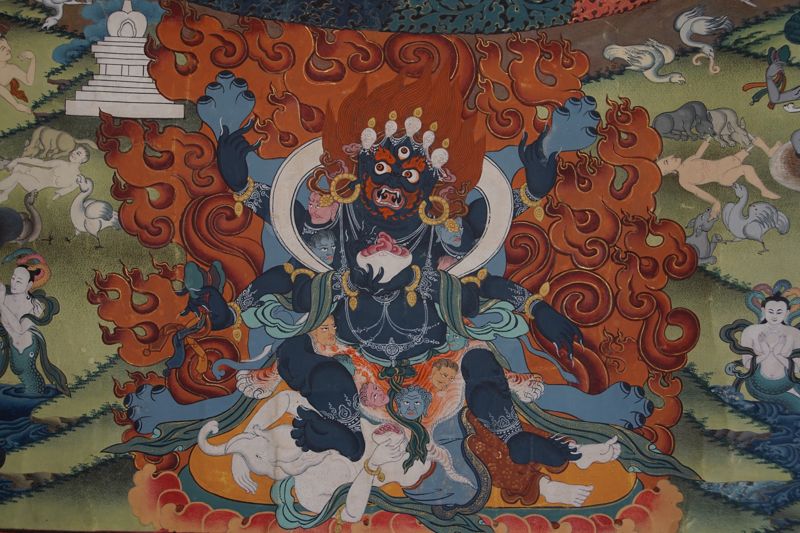
This white Mahakala is quite special and always noticed by our Tibetan guests. It's a powerful protector and gives a great atmosphere to the Kannon-do.
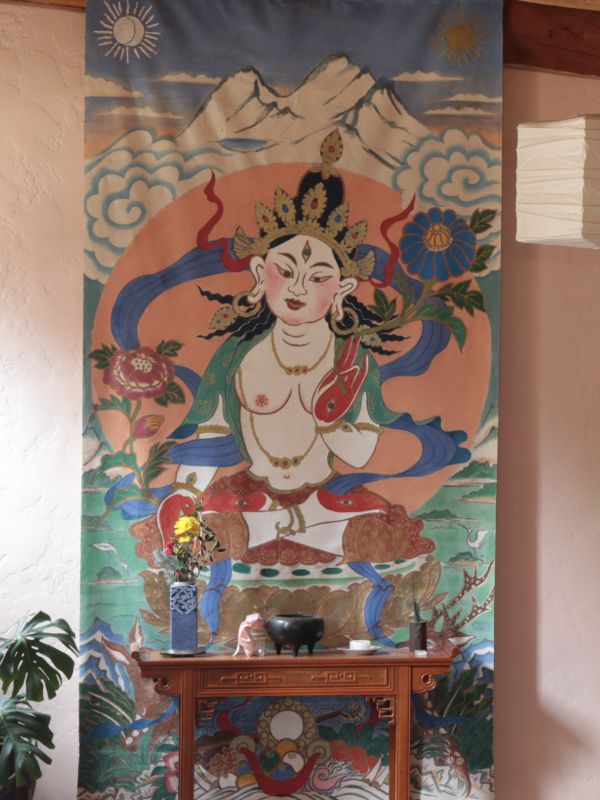
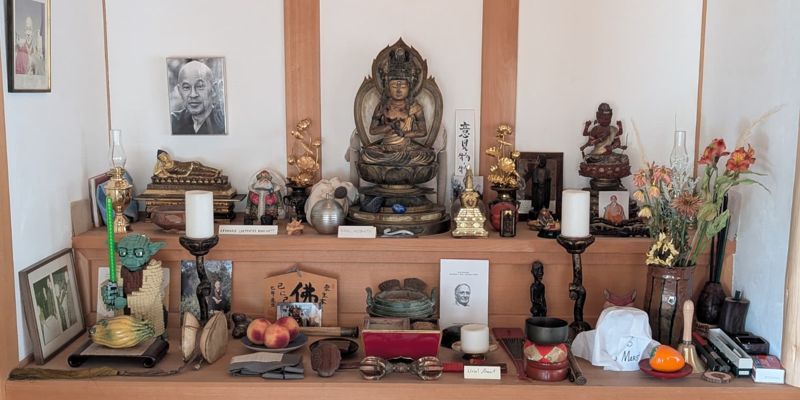
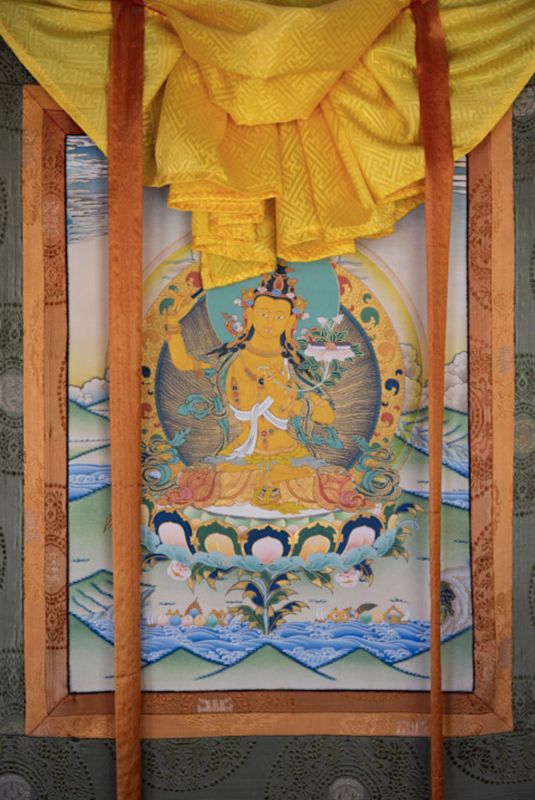
Vajradhara, crossing bell and vajra. An emanation of Samantabhadra.
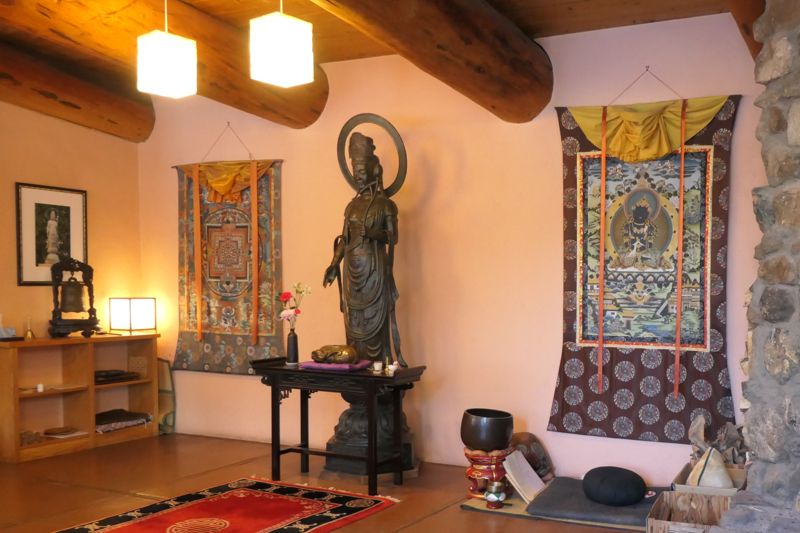
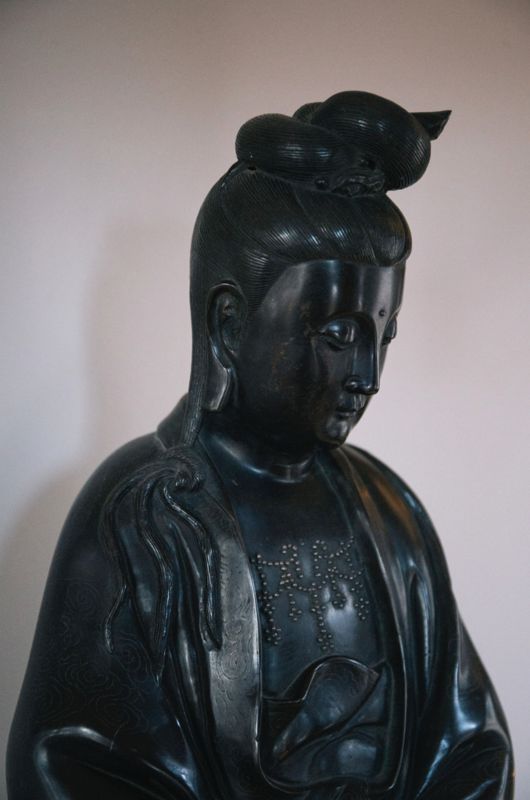
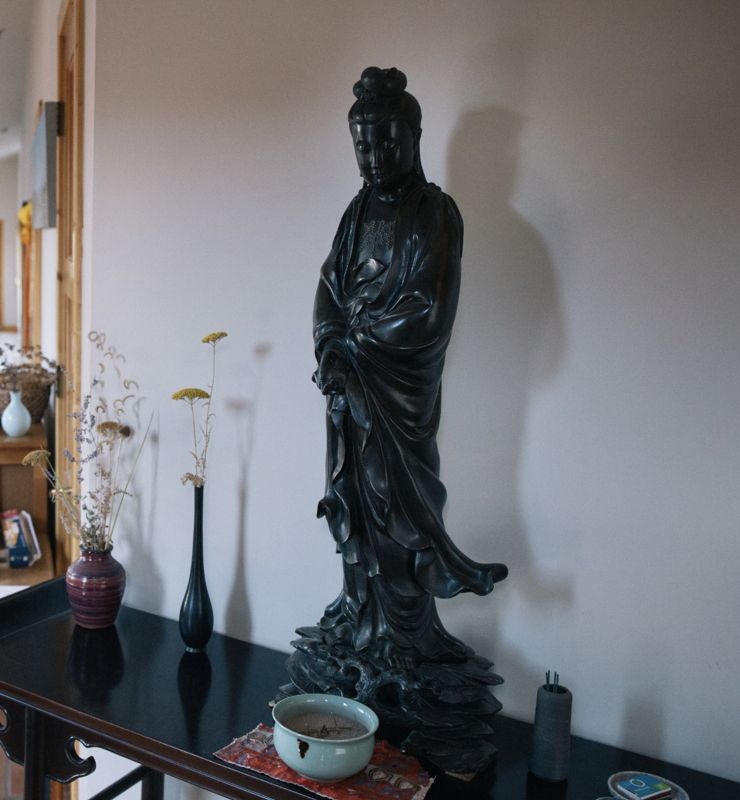
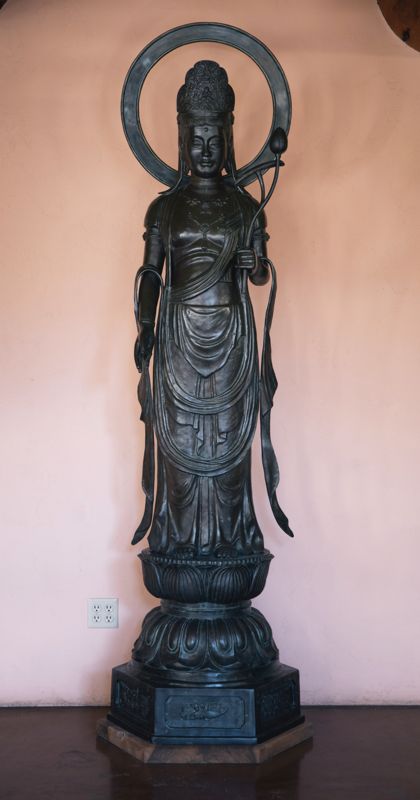
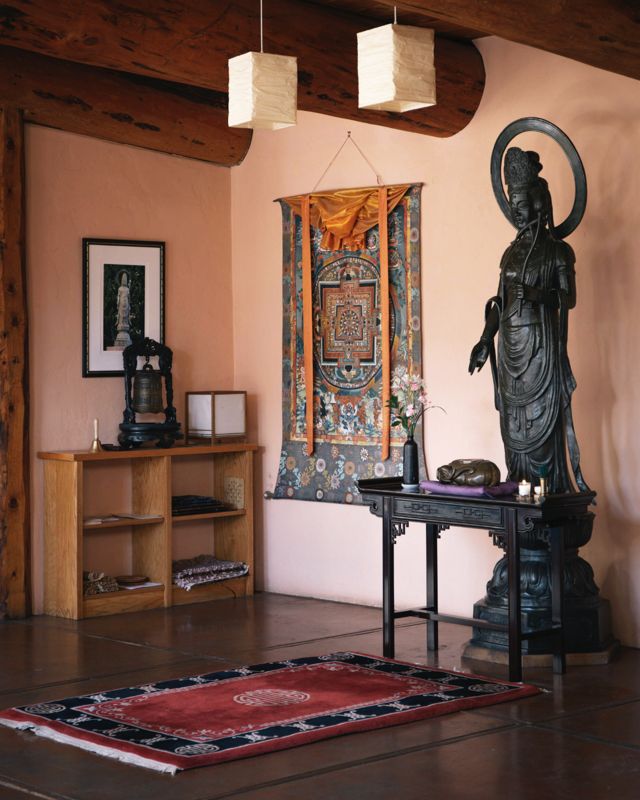
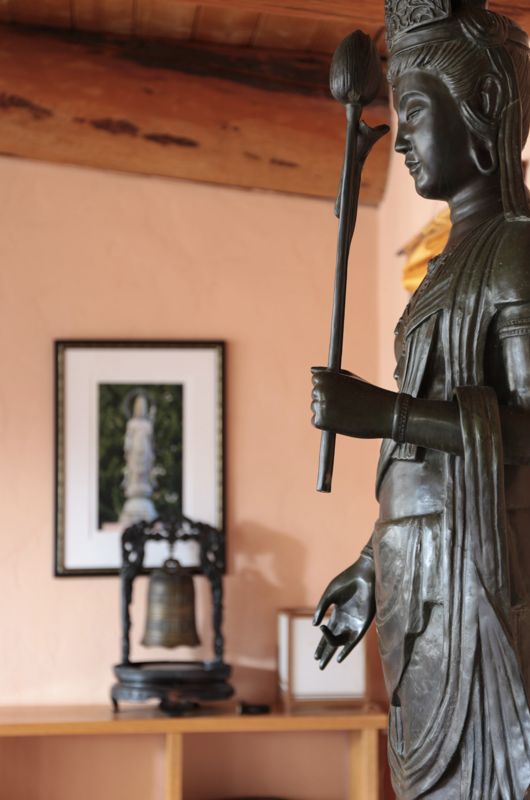
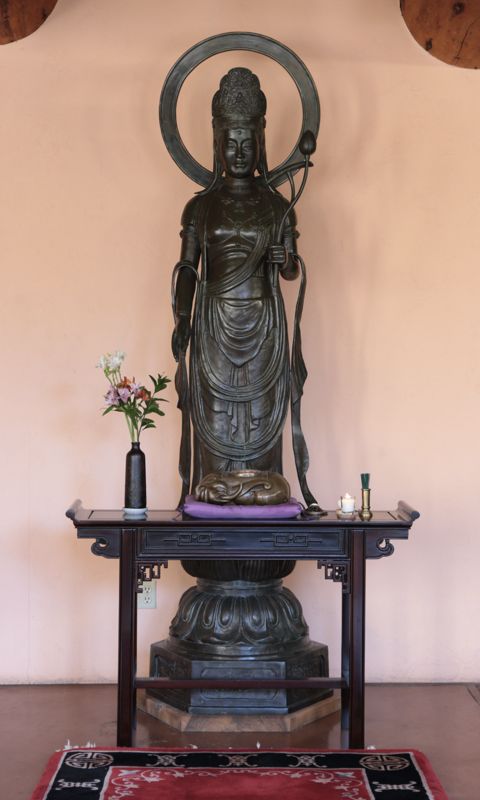
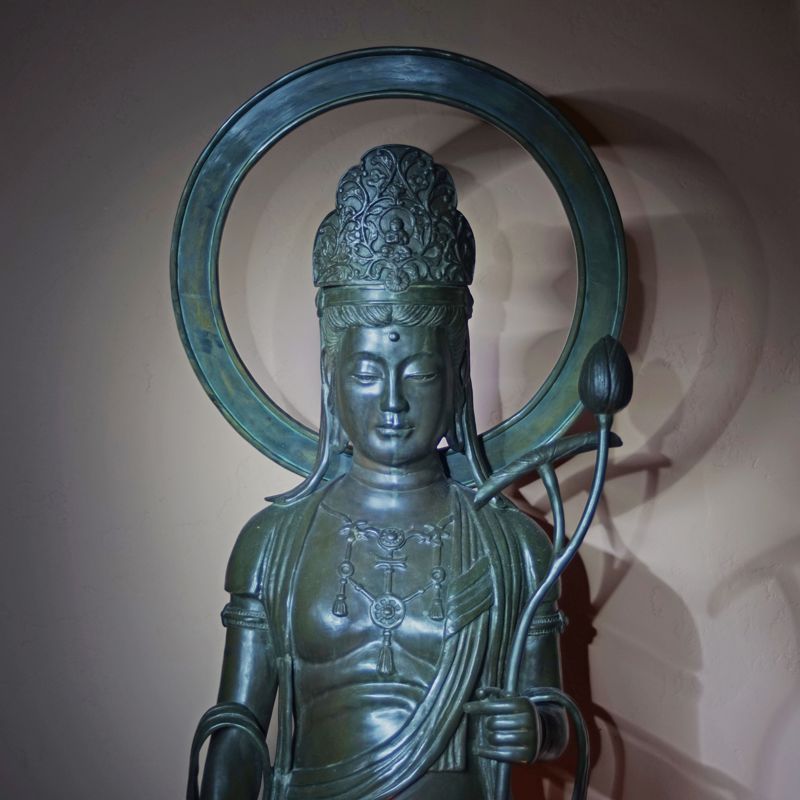
In terms of cultural heritage, the Kannon statue, sister to the one in the Hiroshima Peace Park is the single most important piece of art on campus. Visitors come specifically to see this statue. To preserve it is one of the major purposes of this campaign. It's priceless - and we can protect it for less than $25,000. This needs to be done.
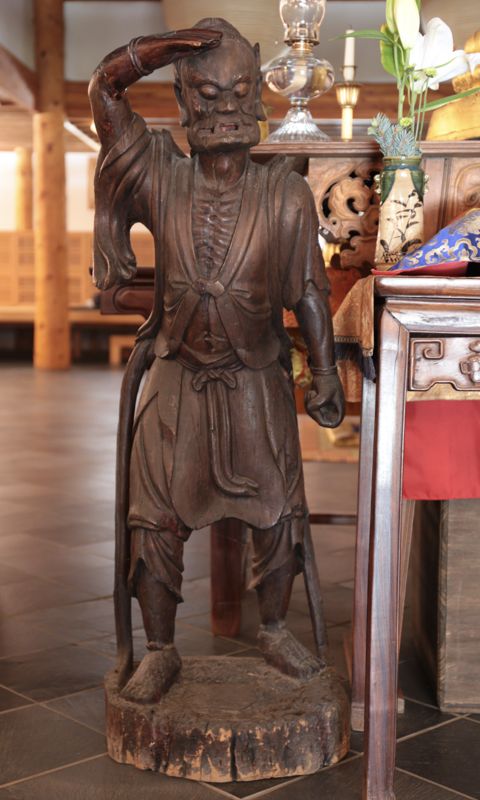
This guardian emphasizes the alertness in the sense of hearing. Baker Roshi decided to use it as a guardian, right at the student entrance of the Zendo. It has protected our practice space for more than 30 years.
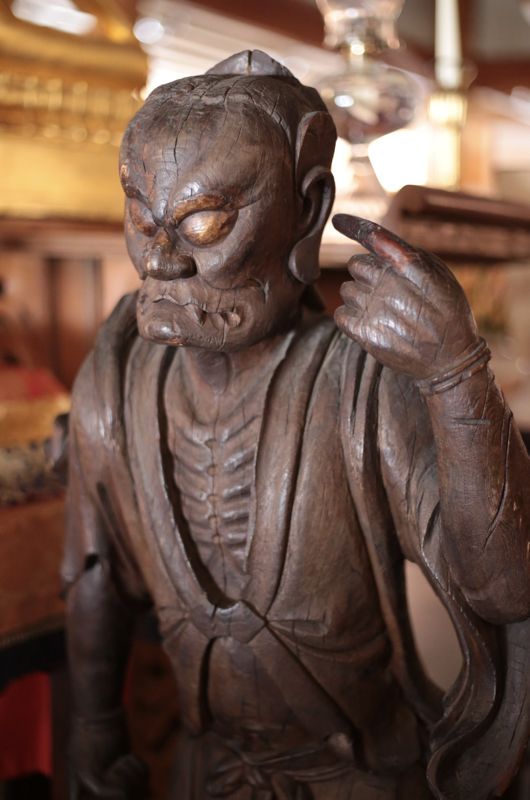
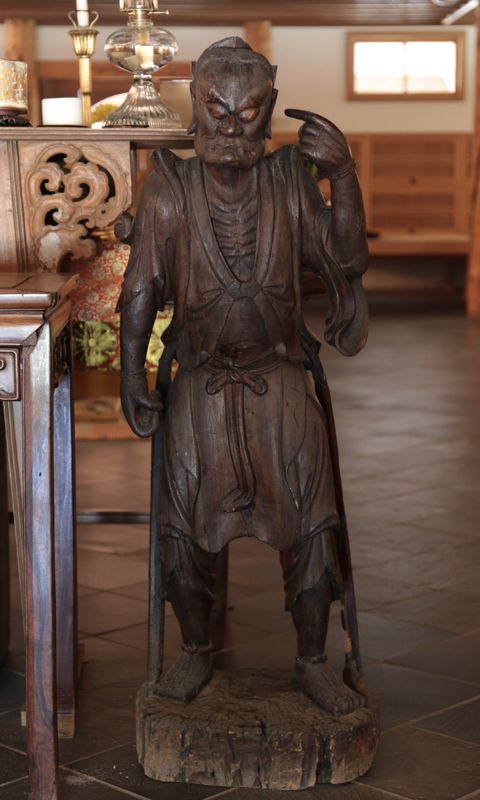
This guardian emphasizes the alertness in the sense of seeing. Baker Roshi decided to use it as a guardian right at the student entrance of the Zendo. It has protected our practice space for more than 30 years.
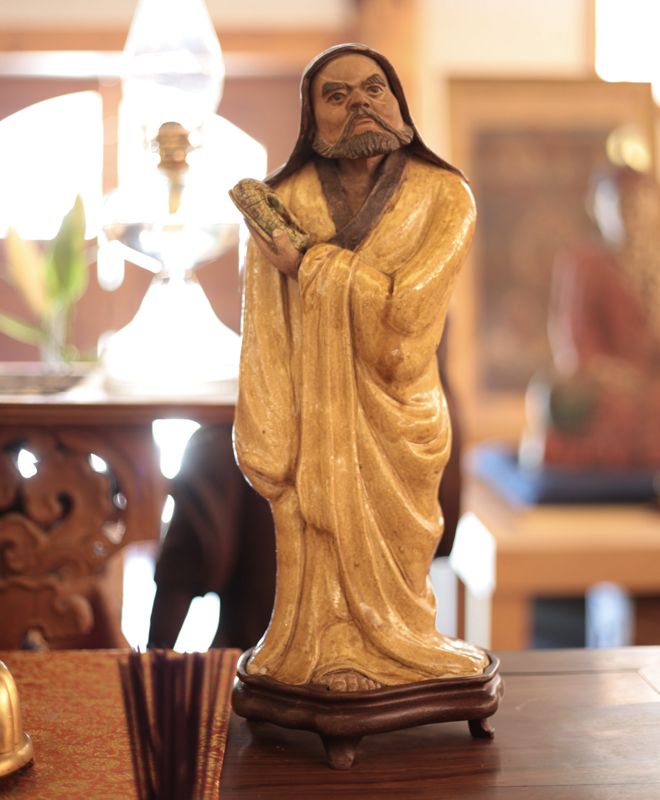
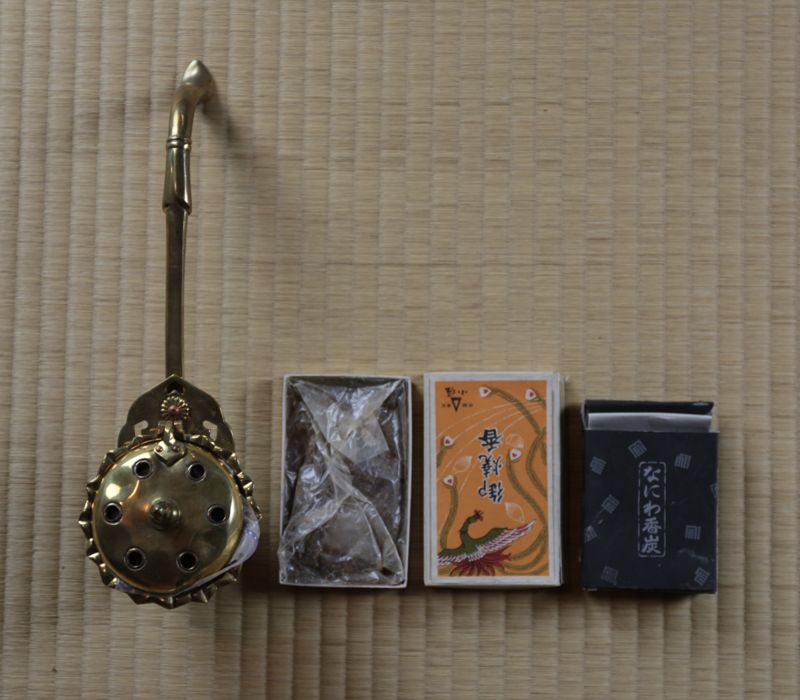
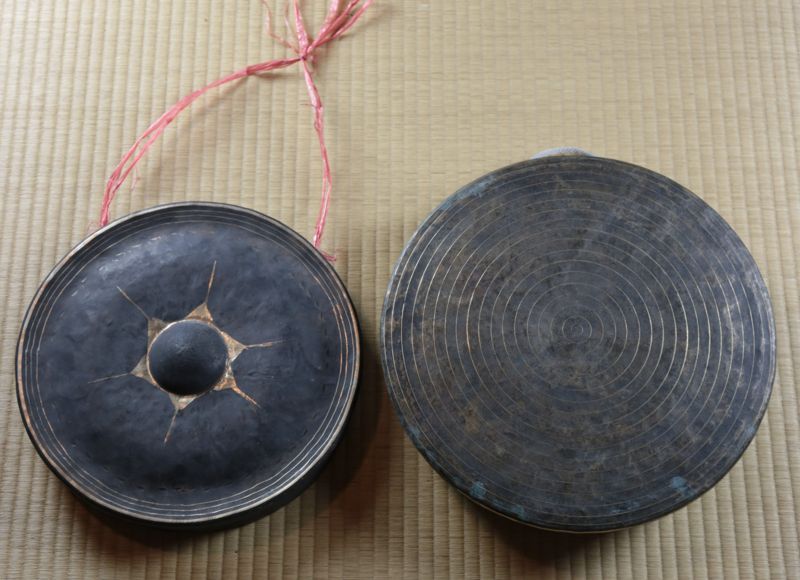
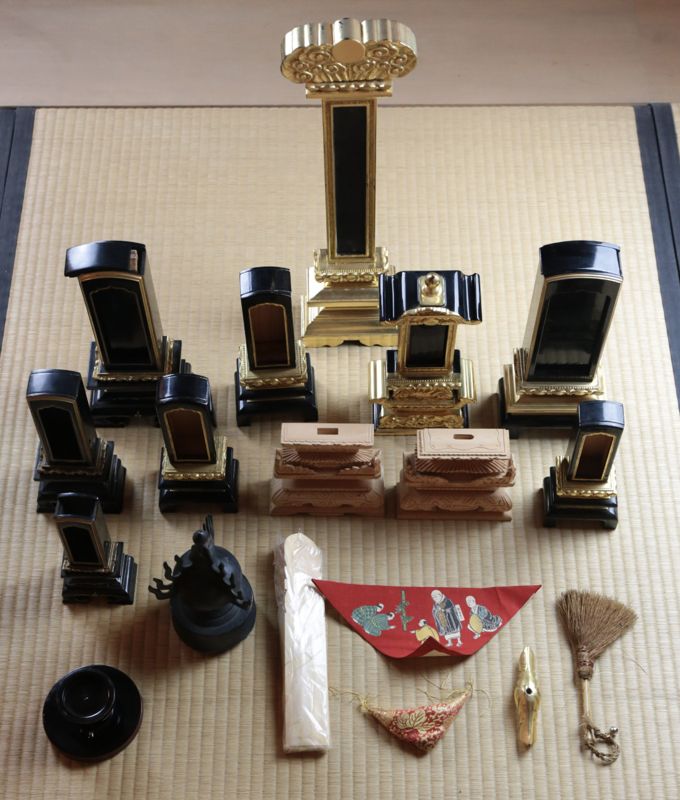
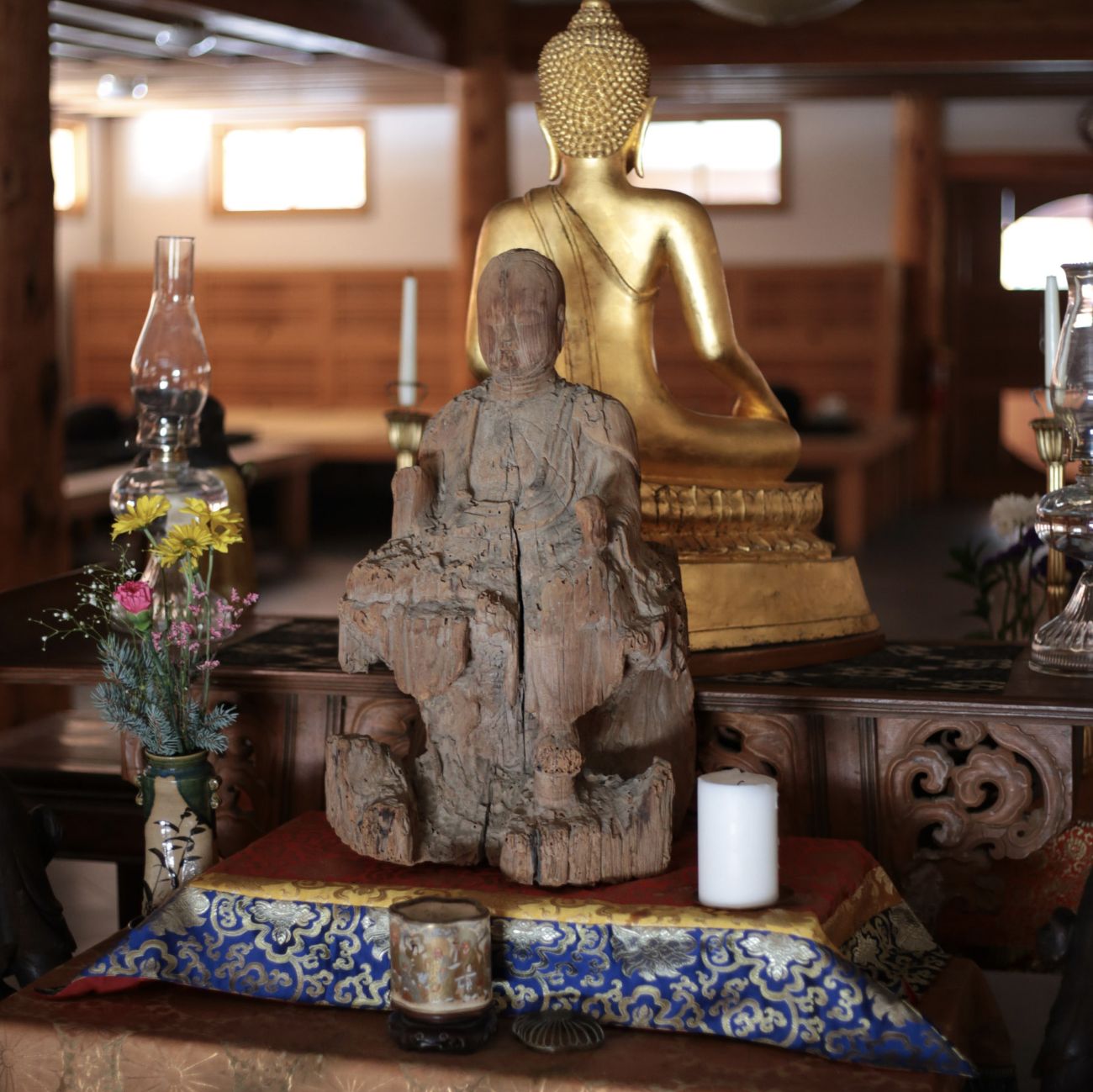
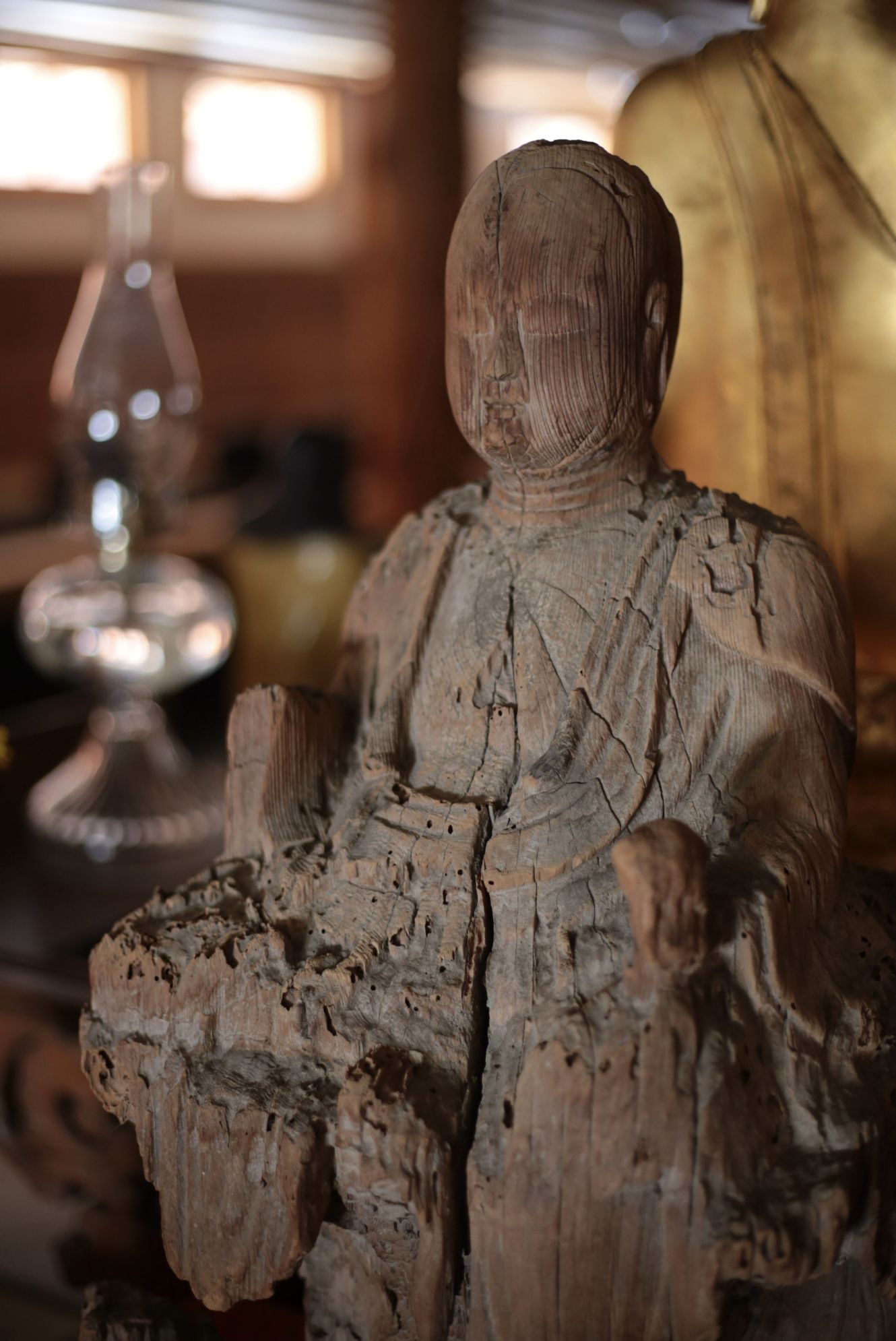
It was a gift to a samurai family for a war, in which they helped someone. Jizo Bosatsu is an Orpheus-like figure, so Baker Roshi thinks it was probably given to purify the family of the guilt. It has a very special box made for it. In the box is the description of the samurai family and the gift. It was originally priced at $25,000.
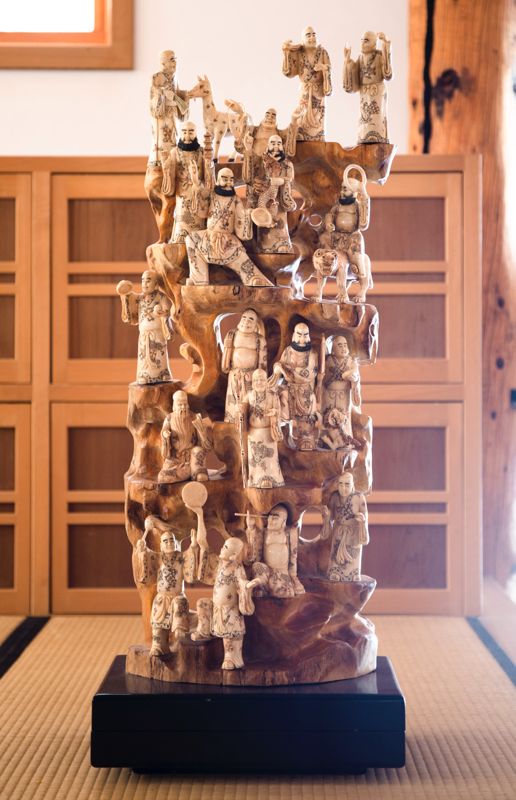
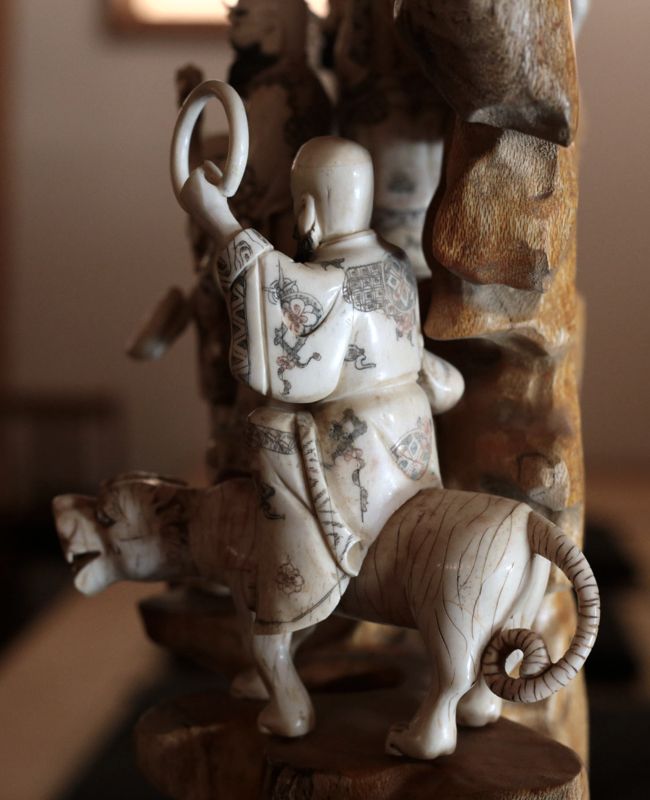
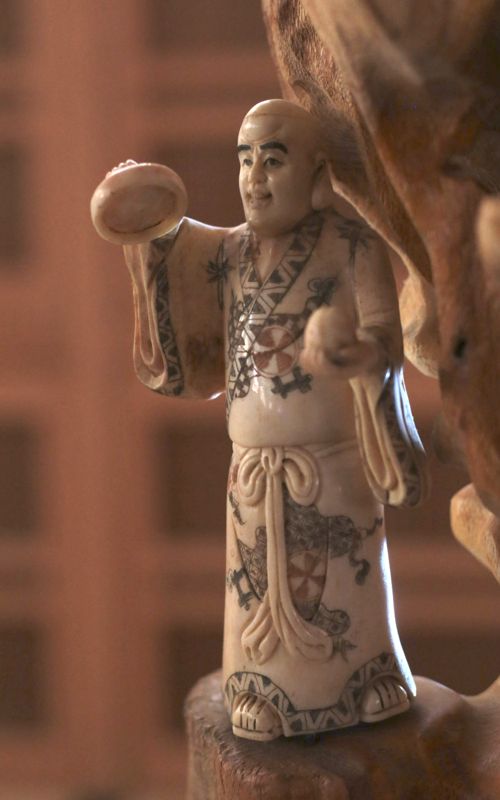
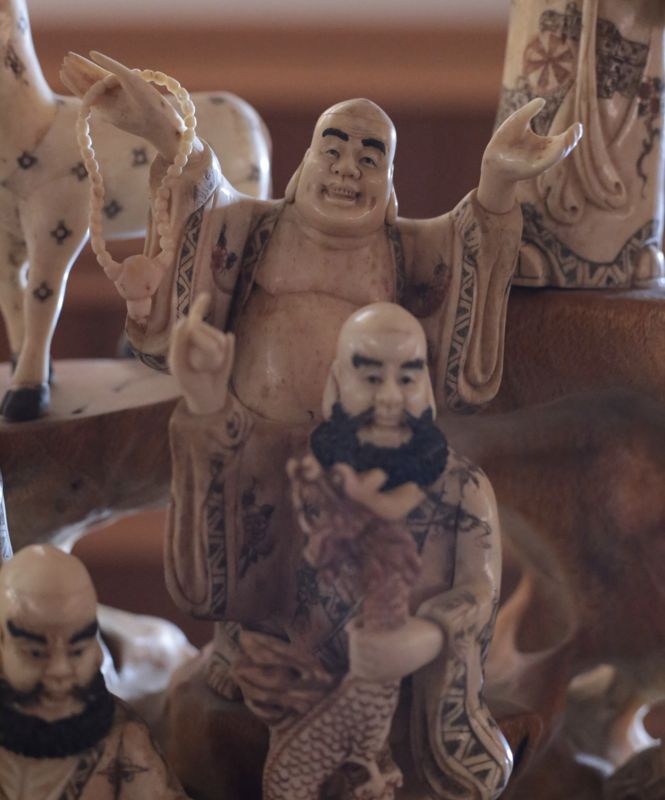
18 Chinese Arhats that Baker Roshi found in a shop in New York. He had always wanted to have The Arhats as part of our visual treasure, because of how they represent lay practice. They represent wild, shamanic lay persons.
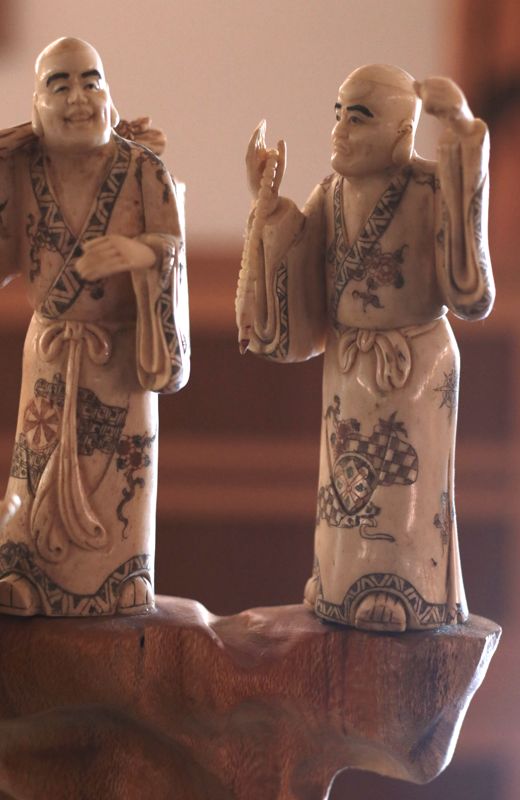
This incense burner was given to Baker Roshi by his father Harold. We have been offering incense to Suzuki Roshi every morning, ever since the Meditation Hall was opened.
.jpg)
A museum piece: Big bronze incense burner with a lion on the legs and on the lid.
.jpg)
This bar counts Phase III only. Phase I and II are complete and paid for. From the first goal on, every building on the campus is protected. Each further goal buys better technology, not more buildings.
Every building on the campus protected by a system we build ourselves. Someone must manually turn it on.
Adds: the system watches for fire and turns itself on, seven miles out. Firefighting foam and full warranty on the four principal buildings.
Adds: the same professional standard on all thirteen buildings. Nothing self-built.
This bar counts Phase III only. Phase I and II are complete and paid for. From the first goal on, every building on the campus is protected. Each further goal buys better technology, not more buildings.
Card gifts go through Stripe. For larger gifts, a bank transfer or a check is usually simpler. Your confirmation will show “Dharma Sangha”: that is the right account.
Stock and securities. We can receive gifts of appreciated securities. Write to cmzc@dharmasangha.org for the transfer details.
Questions about giving. Our office will get you in touch with Paul Rosenblum or Nicole Baden. Please write to cmzc@dharmasanga.org or call +1 (719) 256-0285.
This page is about the first circle. If you would like to know more about Refuge or Restoration, write to cmzc@dharmasangha.org and we will send you the right document.


Sprinklers and foam on every building, so that fire meets a campus that is already wet.

For people and what cannot be replaced. A shelter and a fire-rated vault, for the case where the buildings are not enough.

The land's capacity to hold water. Watershed work, beavers and mycelial restoration with our local partners. The only circle that reduces the danger itself.
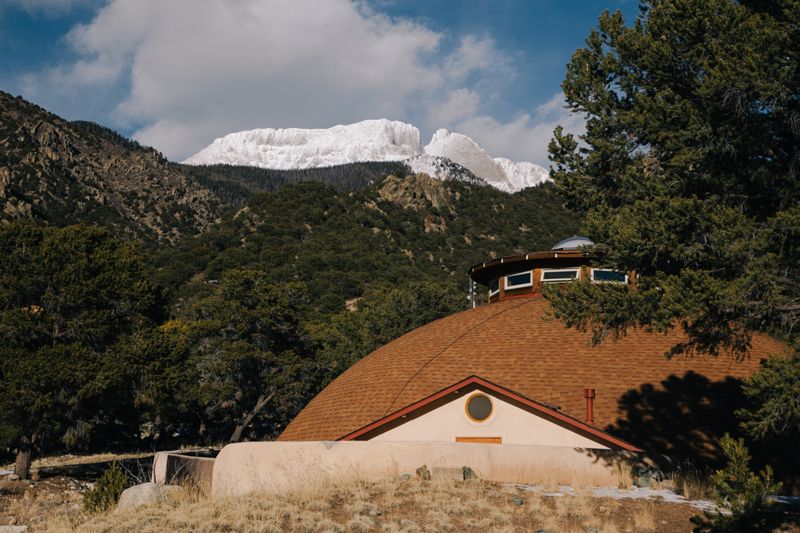
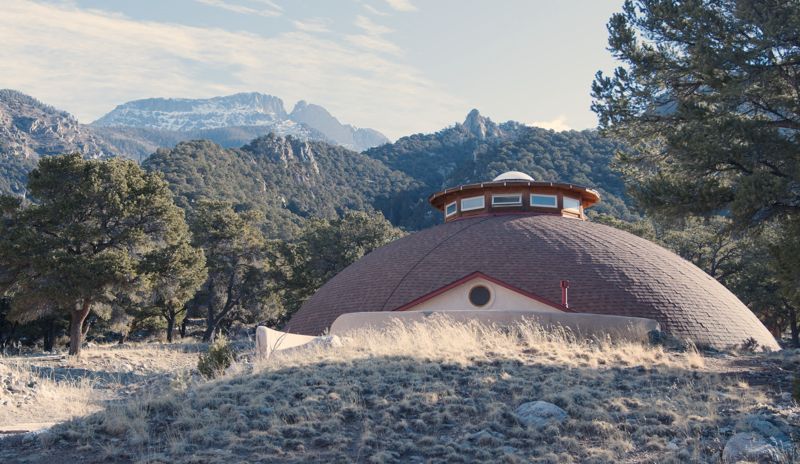
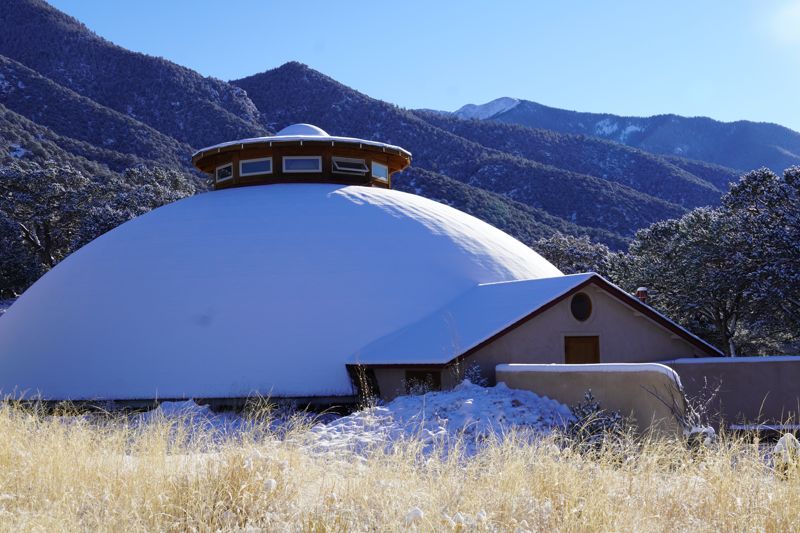
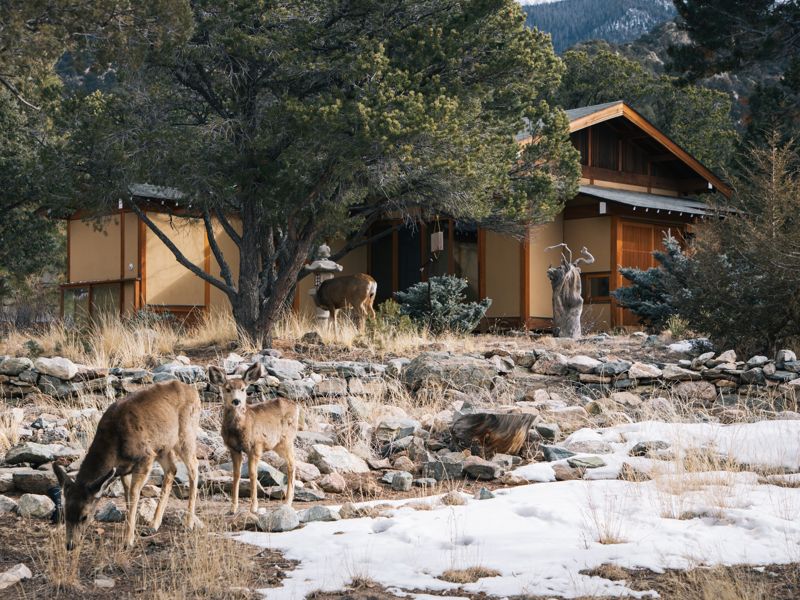
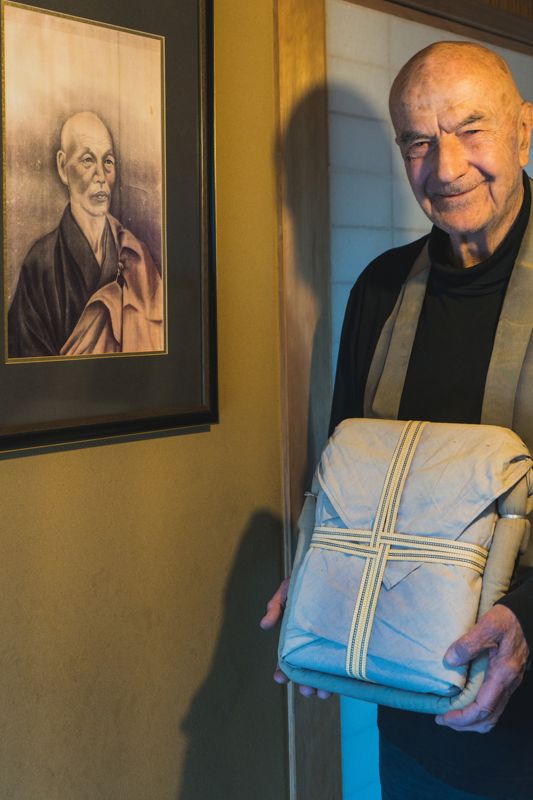
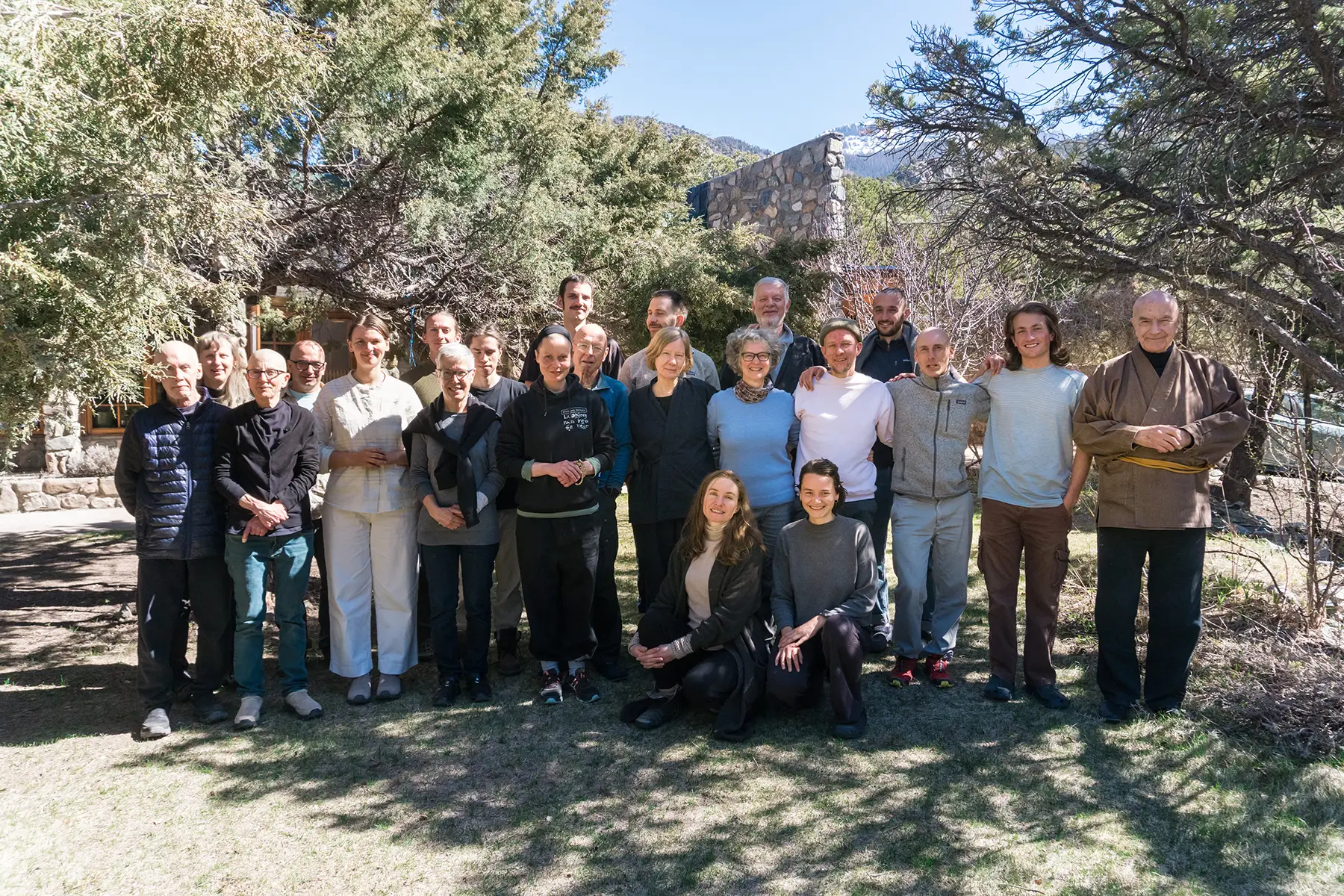
Crestone Mountain Zen Center was founded in 1988 by Zentatsu Baker Roshi, five years after he established Dharma Sangha in 1983. Today it is home to thirteen buildings, including a traditional Japanese wood-joinery zendo, one of the most remarkable meditation halls in the United States. Hoto-an, the building where students meet their teachers, carries the quiet magic of the highest level of craftsmanship.
"Our effort is to make Zen Buddhist teachings conceptually, emotionally, and practically accessible to contemporary Western practitioners."
— Zentatsu Baker Roshi
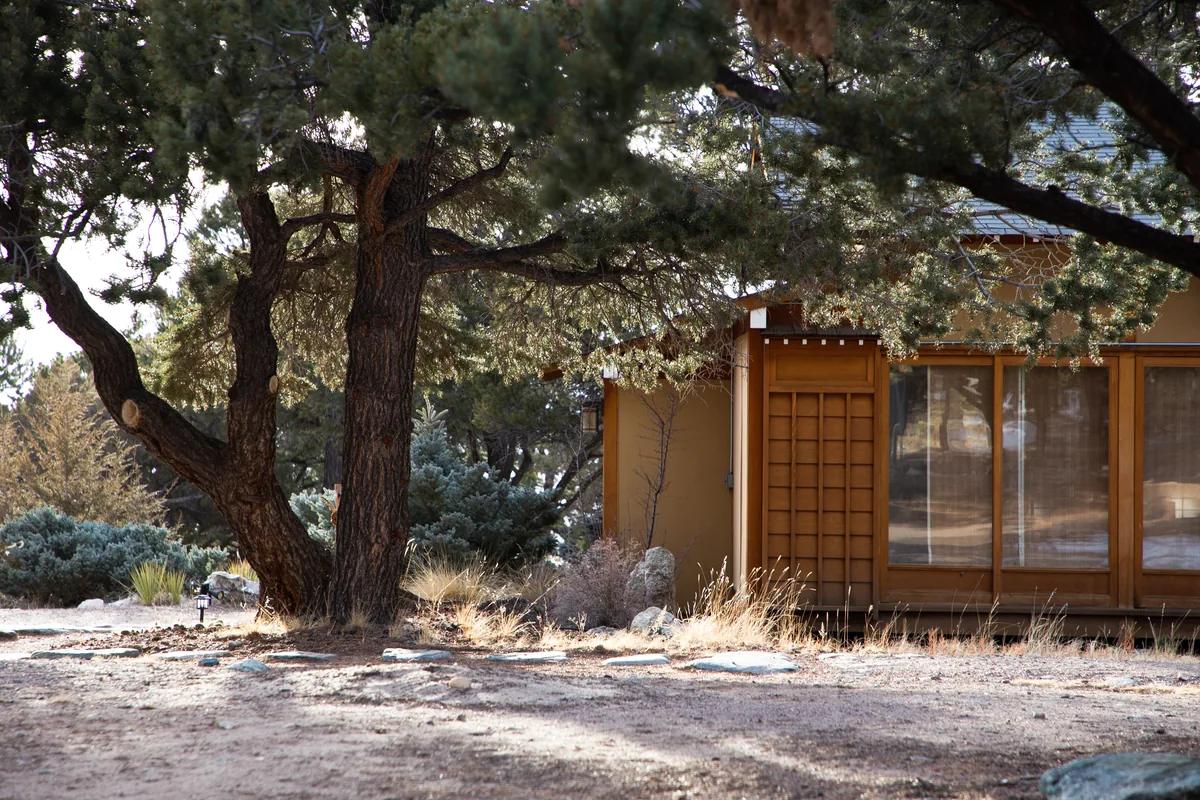
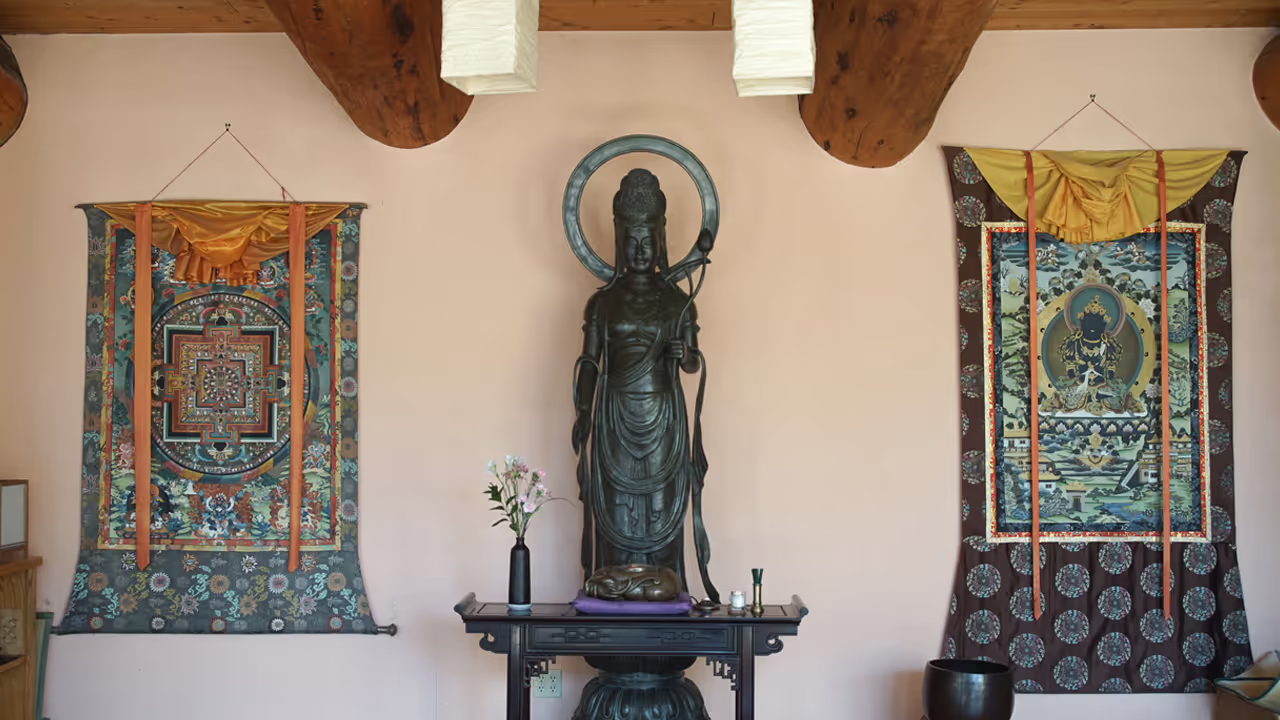
Inside the Main House lives a beautiful Kannon, the sister statue of one in Hiroshima Peace Park. We are also caretakers of irreplaceable lineage treasures: Suzuki Roshi's handwritten notes, transmission scrolls, robes handed down through generations, his teacher's okesa, a 700-year-old Jizo Bodhisattva.
"These are not museum pieces. They are living artifacts we are meant to pass on. Once lost, they cannot be replaced. Objects aren’t sentient, but they do accumulate history - and they bring a physical thread through time and space. Once burned, this is lost."
– Tatsudo Nicole Baden Roshi
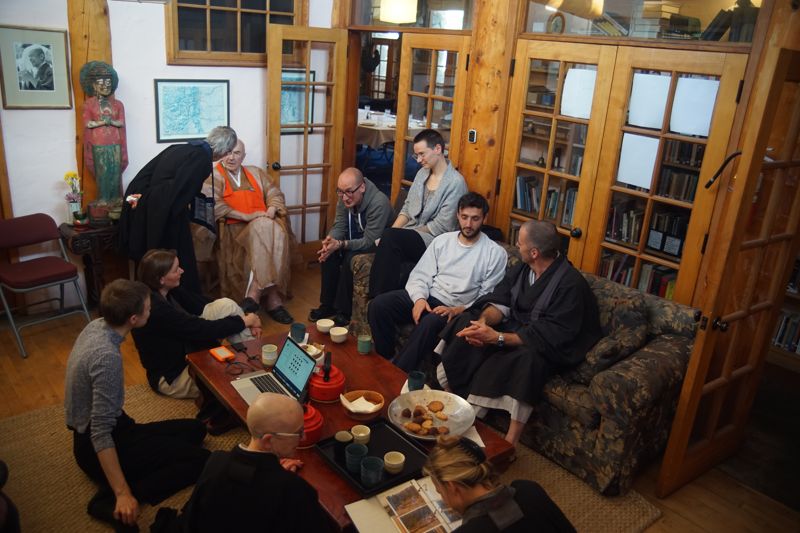
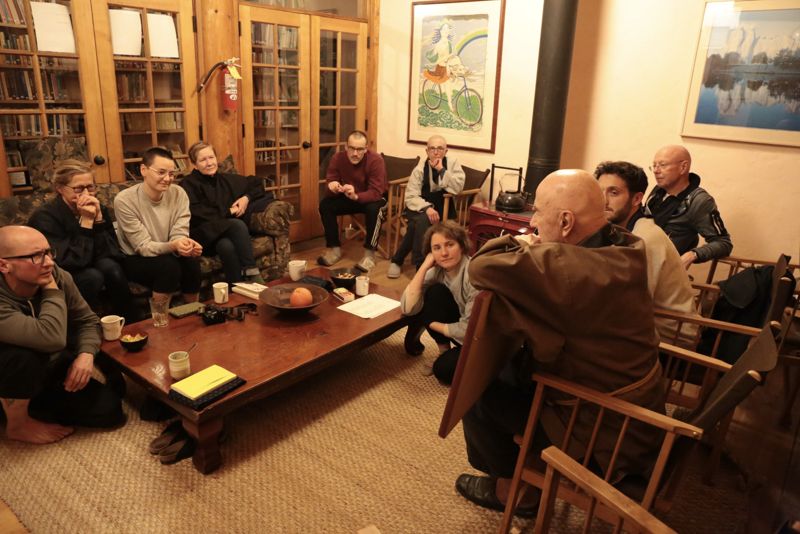
And of course: we need to protect the people who live and practice here. In a recent survey, fourteen of fifteen current Dharma Sangha residents said they would never have committed themselves to practice the way they have, were it not for their time at Crestone.
The buildings, the figures, the artworks, all matter because of their connection to the human beings around them. A place of practice is first and foremost made of the people there.
Dharma Sangha is a US Internal Revenue Service 501(c)(3) public charity; gifts are tax-deductible to the extent allowed by law. EIN 68-0012140.
Questions about giving:
Dharma Sangha · 2000 E Dream Way, Crestone, CO 81131

This bar counts Phase III only. Phase I and II are complete and paid for. From the first goal on, every building on the campus is protected. Each further goal buys better technology, not more buildings.
Every building on the campus protected by a system we build ourselves. Someone must manually turn it on.
Adds: the system watches for fire and turns itself on, seven miles out. Firefighting foam and full warranty on the four principal buildings.
Adds: the same professional standard on all thirteen buildings. Nothing self-built.
This bar counts Phase III only. Phase I and II are complete and paid for. From the first goal on, every building on the campus is protected. Each further goal buys better technology, not more buildings.
Card gifts go through Stripe. For larger gifts, a bank transfer or a check is usually simpler. Your confirmation will show “Dharma Sangha”: that is the right account.
Stock and securities. We can receive gifts of appreciated securities. Write to cmzc@dharmasangha.org for the transfer details.
Questions about giving. Our office will get you in touch with Paul Rosenblum or Nicole Baden. Please write to cmzc@dharmasanga.org or call +1 (719) 256-0285.